[email protected]

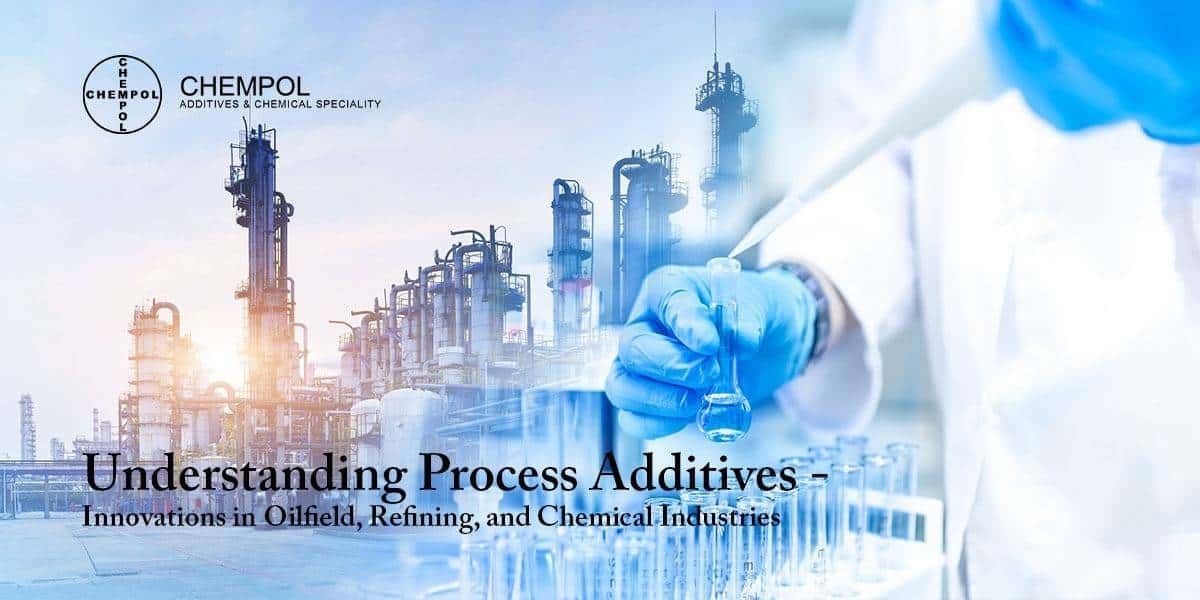
Understanding Process Additives – Innovations in Oilfield, Refining, and Chemical Industries
In a great number of industrial settings, one of the continuous challenges is to maintain equipment that is clean and free of deposits. A common adversary is that oilfields, refineries, and chemical plants all have to contend with fouling. To put it another way, this is the technical word for the accumulation of undesirable organic compounds such as asphaltenes. In the absence of any intervention, this process has the potential to reduce efficiency and raise operational costs drastically.
Fortunately, there is a potent defence that can be utilised to preserve these systems, and that defence is process additives. Let’s look at some of the amazing things that have been happening in this sector.
PIBSI Dispersants – A Versatile Solution
Polyisobutylene succinimide (PIBSI) dispersants are an effective technique for preventing fouling. These additives specialty chemicals accomplish their primary function by dispersing and breaking down potential gunk, preventing it from adhering to equipment surfaces, such as those found in crude unit preheat exchangers. By doing so, you essentially administer a steady stream to your system!
Innovations in PIBSI, Borates, and Anhydrides
Process additive technology is continually being pushed to its limits by researchers and chemical developers worldwide. At the moment, there is an emphasis placed on:
The Future of Process Additives
Companies are getting creative with new dispersants! They’re experimenting with PIBSA and various acids for even better deposit control. Look out for borates and anhydrides – these could be revolutionary antifouling agents, stopping gunk before it starts.
Specialised additives boost the fluids used in processes like fracking. Think of a whole category of additives designed to streamline every oil and gas production step.
PIB: Making It All Possible
The polyisobutylene (PIB) material serves as the basis for a great deal of innovation. A wide range of molecular weights and grades is available for this useful compound. Through the utilisation of a meticulously chosen array of PIB forms, it is possible to achieve accurate control and fine-tuning of the final goods.
Why Do Process Additives Matter?
In a nutshell, process specialty chemicals offer various compelling benefits:
- Improved Efficiency: Cleaner machinery and systems operate at peak performance and require less downtime.
- Reduced Costs: Cleaning, maintenance, and replacements from fouling become less frequent, lowering overall operational costs.
- Extended Equipment Life: By shielding equipment from harmful deposits, these additives can ensure valuable machinery enjoys a longer lifespan.
Environmental Impact: Optimizing efficiency and reducing system disruptions ultimately benefits the environment.
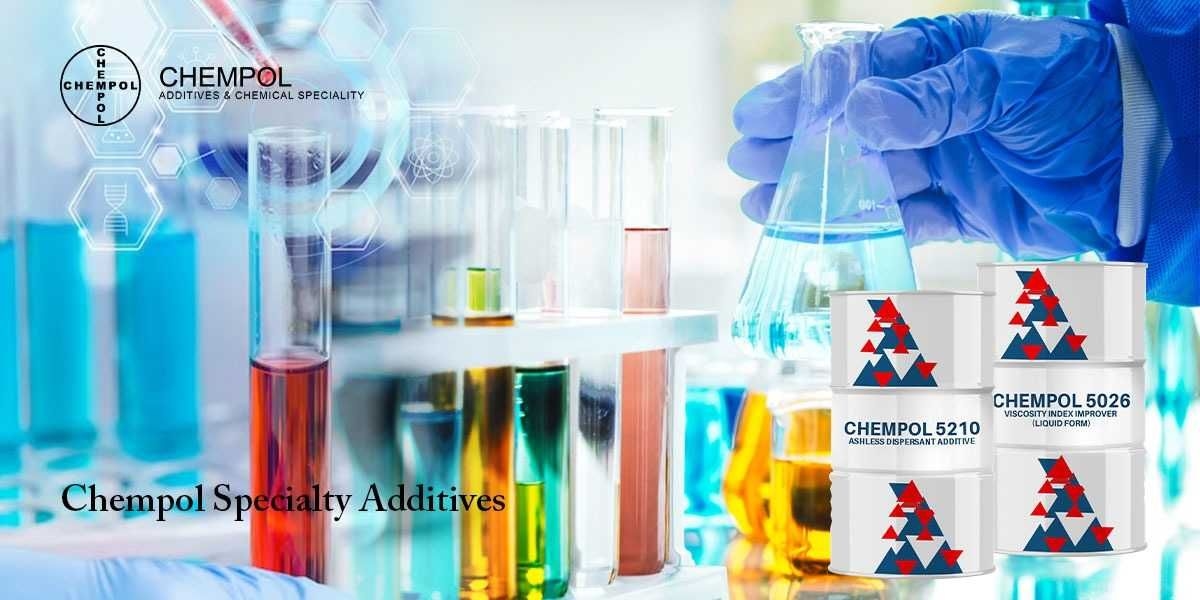
Chempol Specialty Additives
Gasoline Engine Oil Additives
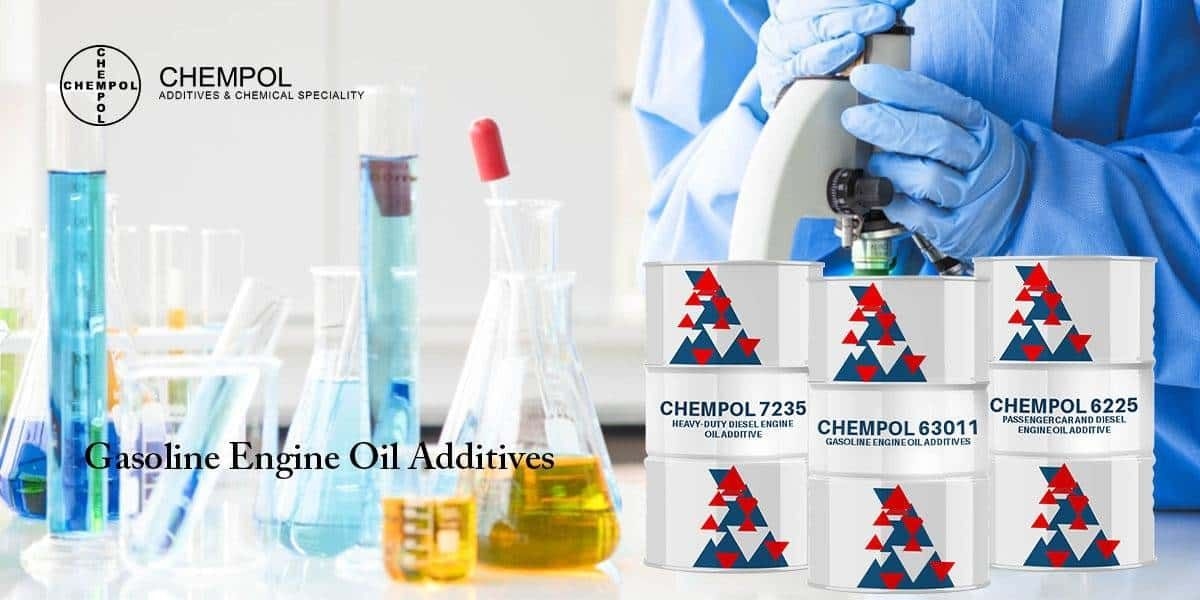
Product 1: CHEMPOL 6225 Passenger Car Additive Engine Oil Additive
Type: Comprehensive additive package for passenger car engine oils.
Purpose: This product offers a balanced solution for modern passenger car engines. It’s designed to clean engines, protect against wear, reduce friction, and generally improve the lifespan and performance of the oil.
Key Benefits:
- Keeps engines clean by fighting sludge and deposits.
- Minimizes wear on engine parts for longer life.
- Improves fuel economy by reducing internal engine friction.
Product 2: CHEMPOL 63011 Gasoline Engine Oil Additives
Type: Additive package specifically formulated for gasoline engines.
Purpose: This product focuses on maximizing the performance and longevity of gasoline-powered engines. It works particularly well in the extreme conditions common in these engines.
Key Benefits:
- Outstanding protection against high-temperature deposits.
- Fights oxidation and maintains oil quality even under stress.
- Neutralises acids that can harm engine components.
Product 3: CHEMPOL 7235 Heavy Duty Engine Oil Additive
Type: Additive package tailored to the demanding needs of heavy-duty diesel engines.
Purpose: Designed for the large engines found in trucks, construction equipment, etc. Its focus is on extending oil life, combating soot, and providing robust overall protection in harsh operating conditions.
Key Benefits:
- Excellent soot control, which promotes oil cleanliness.
- Protects against wear, even with extended oil change intervals.
- Combats oil thickening to maintain consistent engine performance.
Viscosity index improvers
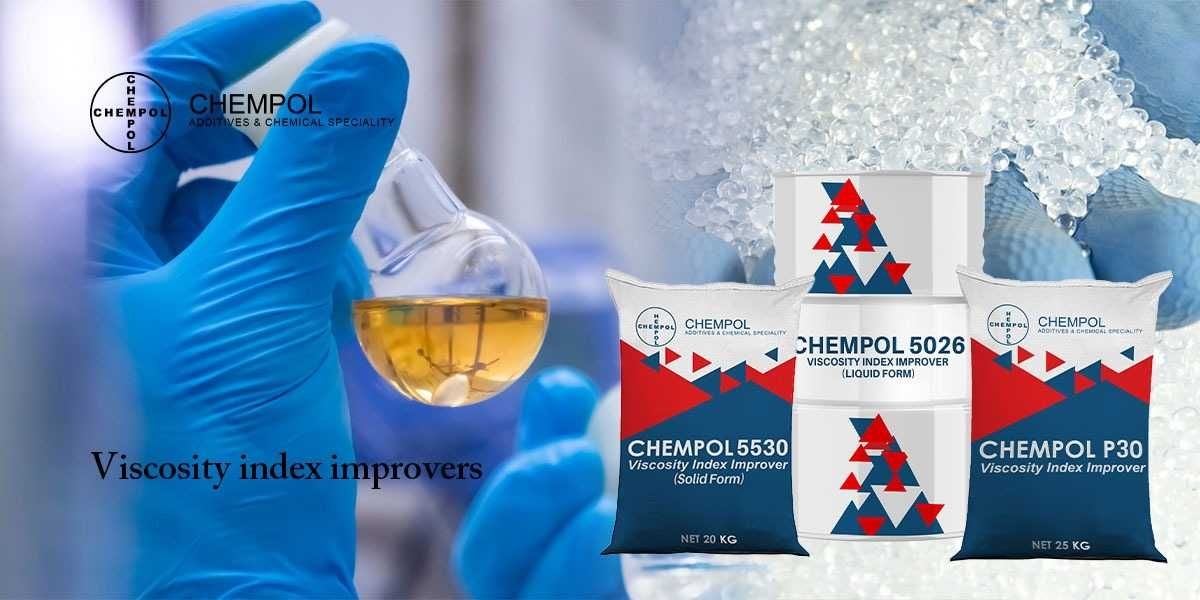
Product 1: CHEMPOL 5026 Viscosity Index Improver (Liquid Form)
What it is: A special liquid additive made from amorphous olefin copolymer – think of it as a superpower for your oil!
What it does: This stuff stops your oil from getting too thin when it’s hot or too thick in the cold. This means your engine works right, no matter the weather.
Why you’ll love it:
- Smoother engine performance – hot or cold.
- Easier start of vehicles on those freezing mornings.
- It’s tough – this stuff stays strong even under pressure.
Product 2: CHEMPOL 5530 Viscosity Index Improver (Solid Form)
What it is: This solid superhero boosts the thickness of different oils.
What it does: It makes sure your oil keeps the right consistency for top performance. Imagine an oil that stays perfectly balanced through temperature changes.
Why you’ll love it:
- Improves engine efficiency in different climates.
- Protection against wear and tear.
- Compatible with a whole range of oils
Purpose: Like the liquid version, this product improves how well oil flows at different temperatures. It’s suitable for mixing with different base oils to fine-tune lubrication performance.
Key Benefits:
- Ensures oil provides sufficient lubrication in both hot and cold conditions.
- Maintains consistent engine performance throughout a wider range of temperatures.
Product 3: CHEMPOL P30 OCP Viscosity Index Improver
Type: A solid, pellet-form olefin copolymer viscosity index improver.
Purpose: This additive increases the viscosity of mineral-based lubricants used in car engines and industrial machinery. It prevents thinning in high temperatures for proper lubrication.
Key Benefits:
- Powerful thickening properties make it versatile across applications.
- Contributes to smooth engine operation, especially in hot climates.
Important Note: The exact amount of each viscosity index improver you’ll need depends on the specific oil and the desired performance results.
Gasoline Engine Oil Additives
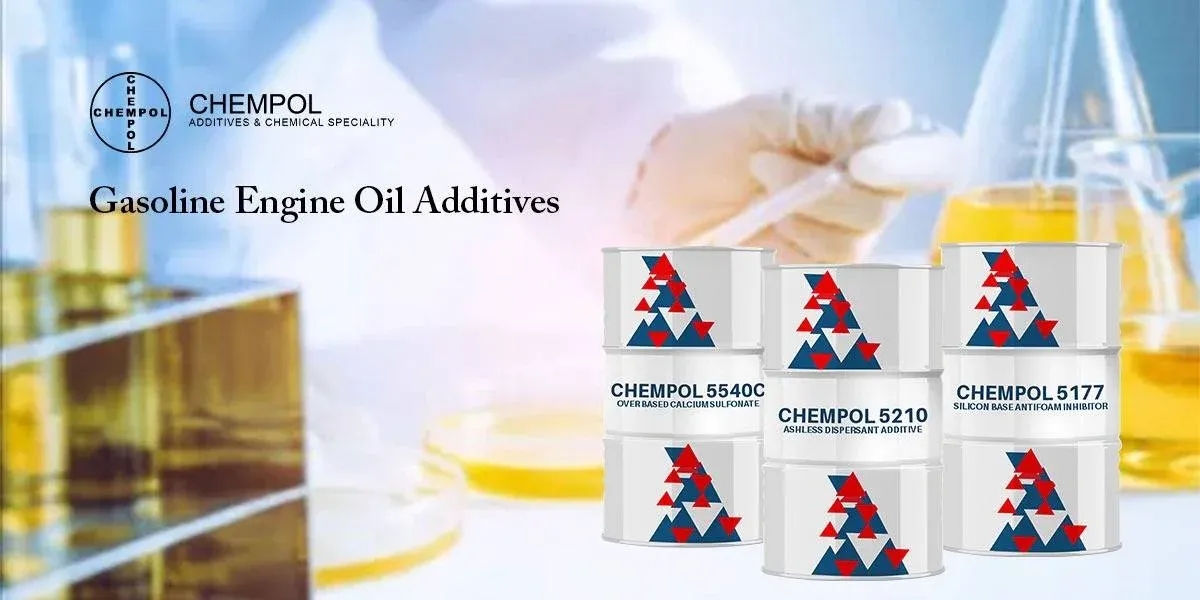
Product 1: CHEMPOL 5177 Silicon Base Antifoam Inhibitor
Type: Generally speaking, silicone is the primary component of anti-foaming additives.
Purpose: In order to prevent foam from forming in oils and lubricants, this product was developed specifically for that purpose. The presence of trapped air results in the formation of foam, which pose a threat to machinery since it reduces the effectiveness of the lubricant.
Key Benefits:
- Breaks down foam quickly and effectively.
- Works in a variety of lubricant and oil types.
- Helps increase operational efficiency by preventing foam-related issues.
Product 2: CHEMPOL 5210 Ashless Dispersant Additive
Type: Special kind of dispersant with no metallic components.
Purpose: This additive’s goal is to suspend contaminants within lubricants, stopping them from depositing on engine parts. This keeps engines cleaner and running smoother.
Key Benefits:
- Maintains engine cleanliness, enhancing longevity.
- Suitable for sensitive oils where metallic additives are a concern.
Product 3: CHEMPOL 5540C Over-Based Calcium Sulfonate
Type: Degradant additives are supposed to neutralize acids and improve oil’s overall performance.
The purpose of this calcium-based product is to shield engines from the acids that are produced as a result of the combustion of fuel. In particular, it is useful for managing deposits that are formed at high temperatures.
Principal Advantages:
- It assists in protecting engine components from acids that are corrosive.
- It discourages the accumulation of deposits, which in turn promotes cleaner engines.
- The performance of oil is improved under settings that are demanding and high in temperature.
Beyond Just the Products
These two chemicals are only two of the many benefits that Chempol provides. The company offers a comprehensive selection of boosters and components. One way to think of it is as a toolbox; they combine different solutions to meet your lubricating requirements.
The Battle Against Gunk
All these facilities—oilfields, refineries, and chemical plants—struggle with accumulation. The use of speciality chemical additives is the key to maintaining clean equipment and maintaining smooth operations. Companies are always pushing the limits of what is possible. You may anticipate even better solutions that are crafted just to meet your requirements. A fouling that is slowing you down? The answer may lie inside the fascinating realm of process additives.