[email protected]

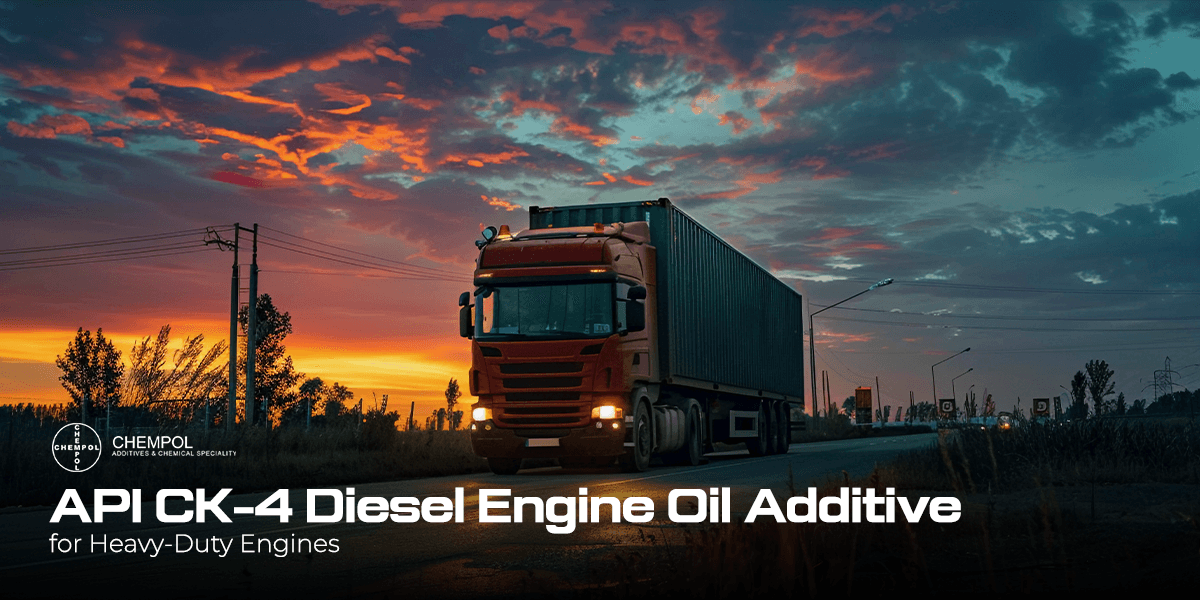
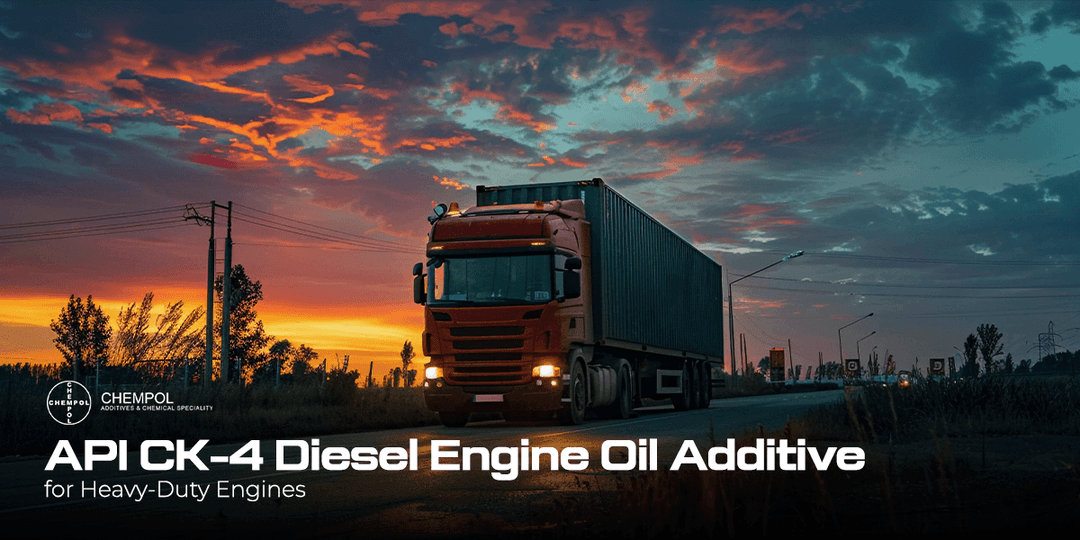
API CK-4 Diesel Engine Oil Additive for Heavy-Duty Engines
Modern heavy-duty diesel engines operate under higher thermal loading, stricter emission standards, longer service life, and more demanding duty cycles. Consequently, lubricant manufacturers can no longer afford to rely on conventional additive chemistry to develop high-performance diesel lubricants.
The API CK-4 Diesel engine oil additive package is a key component in ensuring that finished lubricants are stable against oxidation, wear, soot, and deposits, and are compatible with the modern emission-control system. Meanwhile, ACEA E8 can also be used in many heavy-duty diesel applications in Europe, where low-SAPS chemistry and after-treatment protection are necessary.
Chempol is a partner to lubricant manufacturers, oil blenders, industrial lubricant suppliers, private-label manufacturers, OEM lubricant manufacturers, and export purchasers that require technically dependable diesel additive options.
With increasingly advanced engine technology, choosing an appropriate additive package is not just a matter of purchase. It is a formulation decision that directly influences the finished lubricant’s performance, engine protection, and long-term product credibility.
Manufacturers that consider new technology of advanced diesel additives may discuss the diesel additive technology and particular formulation goals with Chempol technical staff.
What is an API CK-4 Diesel Engine Oil Additive?
An API CK-4 diesel engine oil additive is a well-balanced blend of performance additives designed to help a finished lubricant meet the requirements of modern heavy-duty diesel engines.
Instead of relying on a single functional component, an API CK-4 formulation will often need to use detergency, anti-wear protection, oxidation resistance, corrosion protection, soot management, and deposit control to operate as a single, coordinated system.
Why the Additive Package Matters
Base oil forms the base of a diesel lubricant; however, it alone cannot give the protection of a high-quality lubricant under extreme operating conditions.
A well-designed diesel engine oil additive package aids an API CK-4 engine oil formulation in keeping the lubricant clean, resisting degradation, limiting soot buildup, and protecting loaded components throughout the intended service period.
It is also necessary in heavy-duty applications, such as commercial use, where engines might have long idling periods, high operating temperatures, stop-and-start cycles, and high torque.
Performance in Heavy-Duty Applications
An effective heavy-duty diesel oil additive today should continue to function under high temperatures and in the presence of contamination.
For lubricant manufacturers, a coordinated API CK-4 Additive Package is also a more viable route for formulation than balancing several individual additives.
The additive package, when correctly chosen and developed, forms the heart of a high-performance diesel lubricant’s performance, directly impacting oxidation resistance, cleanliness, wear, and oil life.
Why Modern Diesel Engines Need Low SAPS Technology
Modern diesel engines rely increasingly on advanced emissions-control systems. After-treatment technologies, including diesel particulate filters, selective catalytic reduction systems, exhaust gas recirculation, and others, have altered how engine oils should be formulated. This has made low-SAPS diesel engine oil additive technology increasingly significant.
Understanding Low SAPS Requirements
SAPS refers to sulphated ash, phosphorus, and sulphur.
When applied in proper amounts, these components can help protect the engine, but when applied in large quantities, they may cause problems for modern emissions systems. Sulphated ash will lead to particulate filter loading, and inappropriate levels of phosphorus and sulphur could also affect catalyst durability.
That is why a low-sulphated ash engine oil additive needs to offer high engine protection without causing unnecessary stress on delicate after-treatment parts. The same balanced, low-phosphorus lubricant additive strategy is also essential, with catalyst protection and emissions compatibility as the formulation requirements.
DPF, SCR, and EGR Compatibility
Modern lubricants often have to be DPF-compatible and SCR-compatible, while also being suitable for engines equipped with EGR systems. This is necessary particularly in Euro VI diesel engine oil applications. An appropriate ACEA E8 engine oil additive should thus balance low-SAPS chemistry with wear protection, oxidation stability, soot control, and deposit management.
To a lubricant manufacturer who is trying to create a Euro VI Engine Oil Additive, it is not merely a matter of reducing ash or phosphorus. The resulting lubricant should maintain its longevity and cleanliness without compromising compatibility with modern emissions hardware.
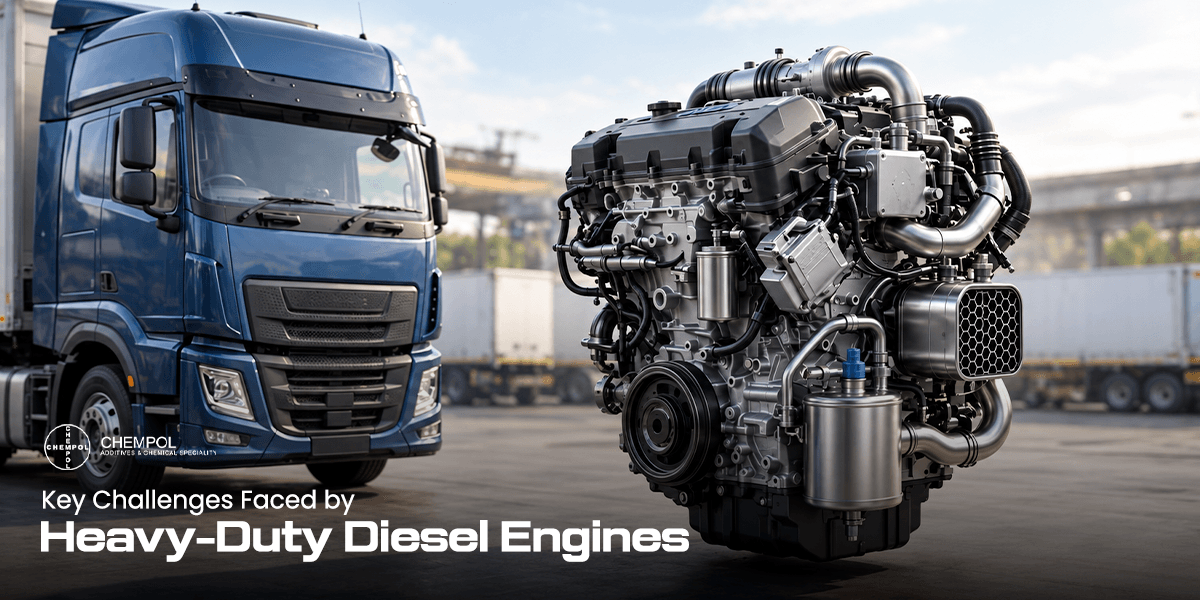
Key Challenges Faced by Heavy-Duty Diesel Engines
Heavy-duty diesel engines are designed to operate under conditions where thermal stress, mechanical loading, contamination, soot, and long working hours must be considered simultaneously. A good lubricant formula should be able to tackle all of these problems simultaneously.
Oxidation and High-Temperature Stress
One of the most significant issues in heavy-duty diesel lubrication is oxidation. Oil degradation increases at high operating temperatures. During oxidation, the lubricant’s viscosity may increase and deposits or sludge may form.
A robust additive system is therefore needed in an oxidation-resistant engine oil to stabilize the lubricant during long periods of thermal exposure. Thermal stability is particularly crucial in commercial fleets, industrial engines, construction equipment, and other applications where engines operate continuously or under heavy loads.
Wear Protection
Another major formulation priority is wear control. The bearings, valve-train parts, piston areas, and other loaded metal surfaces are critical components that require effective lubrication during the service interval. An efficient engine wear-protection additive system is used to maintain surface protection in cases where engines operate under extreme mechanical conditions.
Soot and Deposit Control
Soot contamination is a specific challenge in modern diesel engines (particularly those with EGR). When the soot is not properly dispersed, it can lead to increased viscosity, abrasive wear, and deposition. Good diesel engine deposit control can help maintain engine cleanliness and the stability of lubricant performance.
Extended Drain Performance
Service intervals are longer, thus putting more pressure on the lubricant. Extended-drain diesel oil additives must continue to provide oxidation, detergency, wear protection, and engine cleanliness over a longer period of operation.
For manufacturers considering the right chemistry to solve these issues, the Chempol technical team can help select their additive packages based on viscosity grade, operating severity, specification goals, and market requirements.
How CHEMPOL 8110 Addresses Modern Diesel Formulation Challenges
CHEMPOL 8110 API CK-4 & ACEA E8 DEO Additive Package is designed for manufacturers developing modern heavy-duty diesel engine oils where low-SAPS chemistry, strong protection, and emissions-system compatibility are important. The package supports API CK-4/SN and ACEA E8-24 performance positioning, and is intended for use in advanced diesel formulations working under challenging conditions.
Low-SAPS Formulation
The chemistry in CHEMPOL 8110 is low-sulphur, low-phosphorus and low-SAPS. This makes it applicable to modern lubricant formulations, in which the compatibility of lubricants with the emissions system is one of the major requirements. Its formulation method can be applied to DPF, SCR, EGR, and TWC systems.
Thermal and Oxidation Stability
Heavy-duty diesel engines frequently operate under sustained thermal stress. CHEMPOL 8110 offers high thermal and oxidation stability, contributing to the lubricant’s ability to withstand degradation under harsh operating conditions. This helps create a more stable finished lubricant during harsh operating cycles.
Wear and Engine Protection
CHEMPOL 8110 offers strong wear protection for engines operating under high load. This is especially applicable to commercial transport, construction equipment, agricultural machinery, mining applications and other harsh diesel environments. Its protection system helps protect diesel engines and preserves lubricant performance throughout the intended drain period.
Soot and Deposit Management
Another key feature of modern heavy-duty lubricant chemistry is soot handling. CHEMPOL 8110 can be used to manage soot and control deposits, enabling manufacturers to formulate oils that are designed to keep engines clean during extended operation. It has also been found to be applicable in situations where extended drain engine oil is needed, depending on the overall finished-oil formulation and operating conditions.
Major Benefits of CHEMPOL 8110
When assessing an additive package, lubricant manufacturers want more than a specification claim. The package should be able to sustain a balanced finished oil that operates effectively in multiple critical areas simultaneously.
Extended Drain Capability
CHEMPOL 8110 supports longer drain performance when the entire lubricant formulation, engine needs, and operating environments permit longer service timeframes. For commercial operators, the long service life of lubricants could help minimize service disruption and maintenance frequency. For formulators, however, sustained drainability should, in all cases, be considered in conjunction with oxidation resistance, soot control, cleanliness, and wear protection.
Oxidation Resistance and Thermal Stability
Good oxidation stability is beneficial because the lubricant is resistant to thermal degradation during long service. It is especially useful in heavy-duty diesel engines operating at high temperatures or under continuous loads. High thermal stability helps maintain the lubricant’s physical and chemical characteristics over time.
Wear Protection and Engine Reliability
Excellent wear protection helps support key engine parts exposed to frequent loading and severe operating conditions. The additive system is useful for engine reliability and for sustaining consistent performance by aiding effective lubrication.
Deposit and Soot Control
Deposit control helps reduce the accumulation of unwanted material in critical engine areas. Simultaneously, a high level of soot-handling ability helps maintain lubricant stability in situations where soot pollution is a major issue.
All these properties combined enable CHEMPOL 8110 to be an effective commercial diesel engine oil additive for use in high-performance modern diesel engines. Lubricant manufacturers may contact Chempol to seek technical support, consult on formulation or request a product consultation of CHEMPOL 8110.

Industries That Benefit from CHEMPOL 8110
The demand for diesel lubricant varies across industries, yet most heavy-duty applications face common challenges. High loads, long operating hours, fluctuating temperatures, soot contamination, and demanding maintenance schedules strain lubricant performance.
Commercial Transport and Truck Fleets
The commercial transport fleet, including long-haul trucks, buses, and delivery vehicles, needs reliable diesel lubricants to sustain their operations over the long term. After-treatment compatibility is becoming increasingly crucial, as modern fleet engines rely on DPF, SCR, and EGR. CHEMPOL 8110 is formulated to meet these modern heavy-duty requirements.
Construction and Mining Equipment
Construction and mining equipment often operates under heavy loads, high dust content, long periods of idling, and high temperatures. These requirements underscore the importance of oxidation resistance, soot management, deposit management, and wear protection. A robust, heavy-duty diesel oil additive system assists formulators in creating lubricants that operate in such harsh conditions.
Agricultural and Industrial Diesel Engines
Agricultural equipment may operate intensively during planting, harvesting, or other seasonal work. Industrial diesel engines, generators, and related equipment can also operate for extended periods.
CHEMPOL 8110 can support formulations intended for these severe-service applications. It can also apply to selected marine support and off-highway applications that require the performance of modern heavy-duty lubricants.
Why Lubricant Manufacturers Choose Chempol
There is far more to selecting an additive supplier than a product name or specification reference comparison. Consistency, support, communication, formulation suitability, and supply reliability are key considerations for technical managers and procurement teams.
Technical Understanding
Chempol approaches additive supply from the lubricant blender’s perspective. Various manufacturers can use different base oils, viscosity grades, performance goals, markets and manufacturing processes. This is why technical discussion is a significant aspect of additive selection. Chempol can assist the customer in determining the suitability of CHEMPOL 8110 for their formulation goals and intended application.
Reliable Product Quality
Stability is also significant in the manufacture of lubricants, since changes in additive performance may affect the quality of finished oils. Chempol focuses on offering technically defined additive solutions that manufacturers can evaluate against their own production and quality demands.
Long-Term Business Support
A productive supplier relationship must not end with the first purchase. In developing new lubricant grades, manufacturers might require technical documentation, product information, formulation guidance, or commercial assistance. Chempol strives to meet these ongoing needs and to establish long-term relationships with lubricant manufacturers, distributors, OEM suppliers, and export customers.