[email protected]
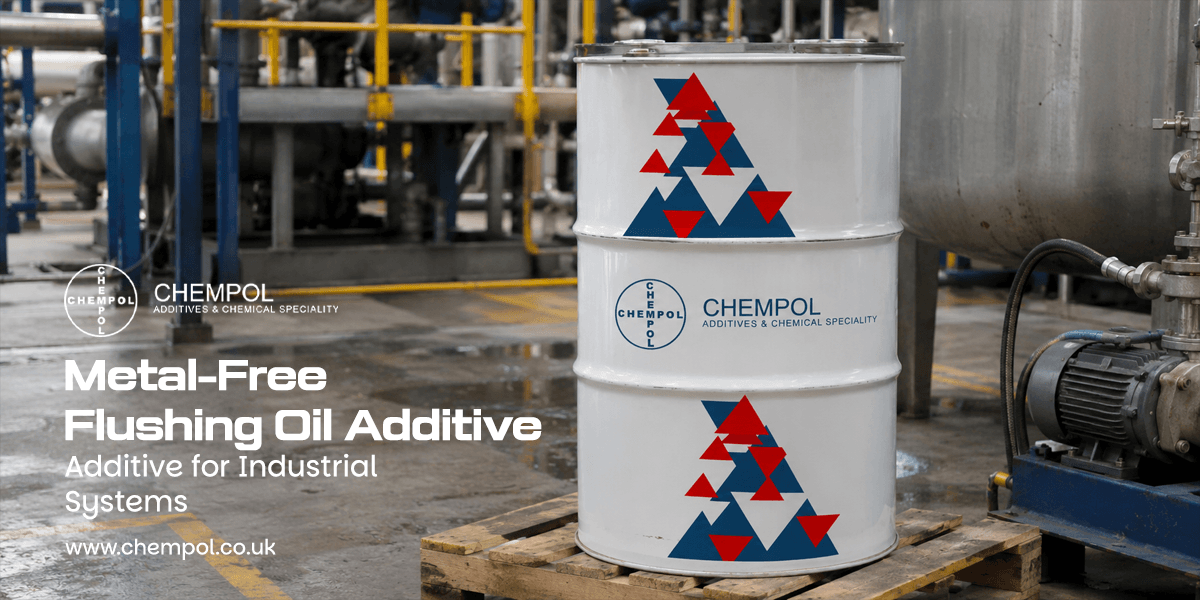
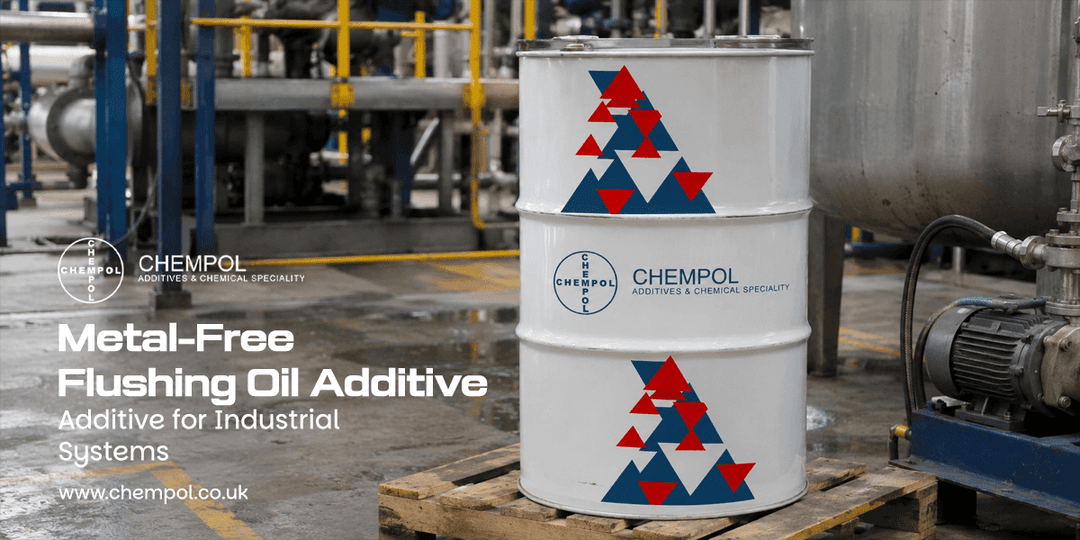
Metal-Free Flushing Oil Additive for Industrial Systems
Oil sludge, varnish, and oxidation deposits can cause poor equipment reliability, reduced oil flow, and difficulty in changing lubricants. Specific deposits can be broken up or dispersed by a metal-free flushing oil additive during a controlled cleaning process. Chempol provides an appropriate platform to discuss lubricant and additive needs with industrial buyers, maintenance managers, and lubricant formulators as they relate to specific applications.
In an industrial machinery system under pressure, heat, and constant movement, lubricant degradation can over time affect the system’s cleanliness and performance. Different methods of deposit formation and removal, as well as chemical properties, are important in selecting a flushing additive for a specific application.
What is a Metal Free Flushing Oil Additive?
A metal-free flushing oil additive is a chemical compound or additive package used to aid in the flushing of oil-wetted parts and lubricant systems. Depending on its formulation, it can help soften deposits, dislodge deposits, or keep loosened deposits in suspension so they can be removed via flushing or draining, or filtration.
Metal-free technology refers to additive chemistry that doesn’t contain intentionally added metals. An ashless flushing oil additive is formulated to eliminate metal-containing additive chemistry that under certain test conditions can increase inorganic ash. However, these descriptions cannot be used to automatically set the cleaning performance or compatibility of materials or the absence of residue.
A flushing additive is not a finished engine oil or hydraulic lubricant; it is intended for a specific cleaning purpose. It can be used in a specially formulated flushing fluid or another application approved by the manufacturer. The correct method will depend on the equipment design, the lubricant type in use, the deposit characteristics, and the manufacturer’s recommendations.
The only question to ask is whether the product technically fits the application for industrial buyers. Read the product documentation and application advice before buying to prevent compatibility issues and unnecessary maintenance. If you are looking for a premium quality metal-free flushing oil additive, you can give a try to our Chempol 5566.
Why Do Oil Sludge and Varnish Form?
Lubricants can degrade due to exposure to oxygen, high temperatures, and prolonged service life. This results in oil oxidation products over time, including acids, resins, and other compounds that can form deposits. The issue can be further complicated by contamination, improper lubricant choice, excessive heat, and improper maintenance.
The sludge is generally a soft, dark or semi-solid buildup of degraded oil that may include soot, dirt, water contaminants, and wear particles. It can accumulate in sumps, oil galleries, filters, and low-flow areas. If it reaches a point where it affects the amount of oil that can pass through, it can increase the filtration requirement and/or disrupt normal oil circulation.
Varnish will typically form a thin, sticky film on oil-wetted surfaces, valves, bearings, and other internal parts. It is frequently linked to oxidation products which are less soluble under different lubricant conditions. Varnish in industrial machinery can cause sticky valves, loss of operating accuracy, and fouling on surfaces where smooth motion and heat transfer are critical.
Other contaminants, such as water, dust, coolant, process materials, and wear particles, can also affect lubricant cleanliness. It is very important to identify the cause of the contamination because simply flushing can’t fix damaged parts or prevent contamination from recurring. Oil analysis, equipment inspection, and maintenance records can be used to determine whether engine sludge removal, oil varnish removal, or a complete cleaning of the lubricant system is appropriate.
Request Product Information from Chempol if your equipment is experiencing sludge accumulation, varnish formation, or oxidation deposits. Discuss the equipment type, contamination symptoms, and cleaning objective to help identify the information required for a suitable solution.
How Does a Flushing Oil Additive Work?
Depending on its formulation, a flushing oil additive may contribute to cleaning in several ways. Some components may soften deposits, others may enhance the dispersion of loosened contaminants, or aid in suspending contaminants in the flushing fluid. The goal is to facilitate the removal of selected deposits in a controlled cleaning process.
This procedure starts with an evaluation of equipment and lubricant condition. Oil-analysis results, operating temperatures, contamination history, remaining oil, and location and number of deposits should all be reviewed by maintenance staff. This information can be used to determine whether the chemical flushing process is appropriate or whether mechanical cleaning or other remediation is necessary.
Now, you’ll want to choose a product that will work with your system and document the procedure. Concentration, circulation time, temperature, and operating conditions should be in accordance with the supplier’s instructions and the applicable equipment guidance. During normal operation, a flushing additive should not be automatically added to an operating system. Some flushing additives are designed for stand-alone flushing.
The used fluid must be discharged after flushing, in accordance with the stipulated procedure. Depending on the system and number of loose contaminants, filters and strainers may need to be inspected or replaced. The equipment should then be evaluated for cleanliness and refilled in accordance with the appropriate specification before introducing a new lubricant.
Oil-system flushing also needs to be applied to waste handling and post-cleaning verification. Flushing fluid used should be collected and disposed of in accordance with site procedures and environmental requirements, as it may contain degraded oil, dissolved material, and suspended contaminants.
This can be achieved using a proper deposit-removal additive, which is influenced by the deposit chemistry, the system and its geometry, the additive formulation, and the cleaning method. Long-term lubricant deposit control also involves addressing the causes of degradation.
Metal-Free vs. Conventional Flushing Additives
The main difference between metal-free flushing and conventional flushing additives lies in the chemistry used in their formulation. Some additive packages contain a metallic component for a specific purpose, while others do not require any metals. First of all, neither category should be assumed to be better in every application.
Metal-free lubricant technology applies to specific applications that require ashless chemistry, or to those where the formulator must control metal-containing parts in the overall lubricant system. But an ashless formulation does not necessarily work with all lubricants, seals, coatings, or equipment designs.
When selecting an ashless flushing oil additive, the buyer should consider the intended cleaning purpose, compatibility records, recommended use precautions, and technical evidence. They should also decide whether the additive is formulated for direct addition to a lubricant or for use in a separate flushing fluid. These are NOT interchangeable.
It is important to note that it must be compatible with the replacement lubricant. If the system is not properly drained or cleaned, the characteristics of the new oil may be affected by residual flushing fluid and/or additive chemistry. Acceptance criteria and post-flush checks should be established before maintenance on critical machinery.
Therefore, the right selection is based not just on the “metal-free” or “ashless” description, but on the specific cleaning need. Product data, safety documentation, supplier guidance, and equipment manufacturer recommendations provide a better basis for selection.
Industrial Applications and Benefits of Flushing Oil Additives
In several industrial applications, flushing additives can be used, but the technical requirements vary by application. Choosing a product based on the actual conditions under which the equipment is used can prevent maintenance staff from using the wrong products.
For compatible equipment, a metal-free engine flush additive or other engine-flushing additive can be used in engines if the engine manufacturer allows pre-oil-change flushing and the instructions so indicate. The goal is to help mobilize selected deposits before draining of used oil. To minimize the risk of the deposits being disturbed in a manner that interferes with oil passages or lubrication, the prescribed concentration, treatment, duration, and operating
conditions must be observed.
Hydraulic Systems
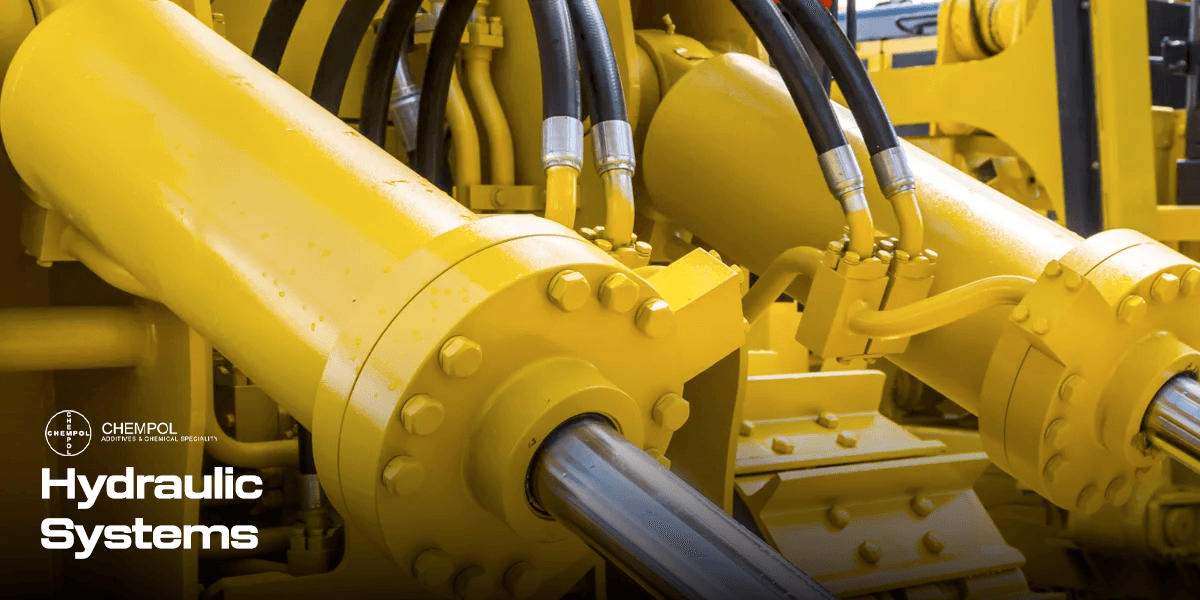
Fluid cleanliness, seal compatibility, and the sensitivity of valves and control components are especially critical issues in hydraulic systems. A lubricant system flushing additive could be applicable during maintenance, component change-out, contamination remediation, or lubricant change, provided it is supported for the application. The system volume, the type of filtration provided, and the equipment’s cleanliness needs should be considered when selecting the flushing method.
Turbine Oil Systems
The requirements for reliability and cleanliness are often quite high for turbine oil systems. System cleaning of a turbine may include oil analysis, off-line filtration, special flushing oils, or a specially-designed procedure. Unless equipment and lubricant guidance specifically recommends using the general-purpose additive, it should not be added to an operating turbine system.
Compressors
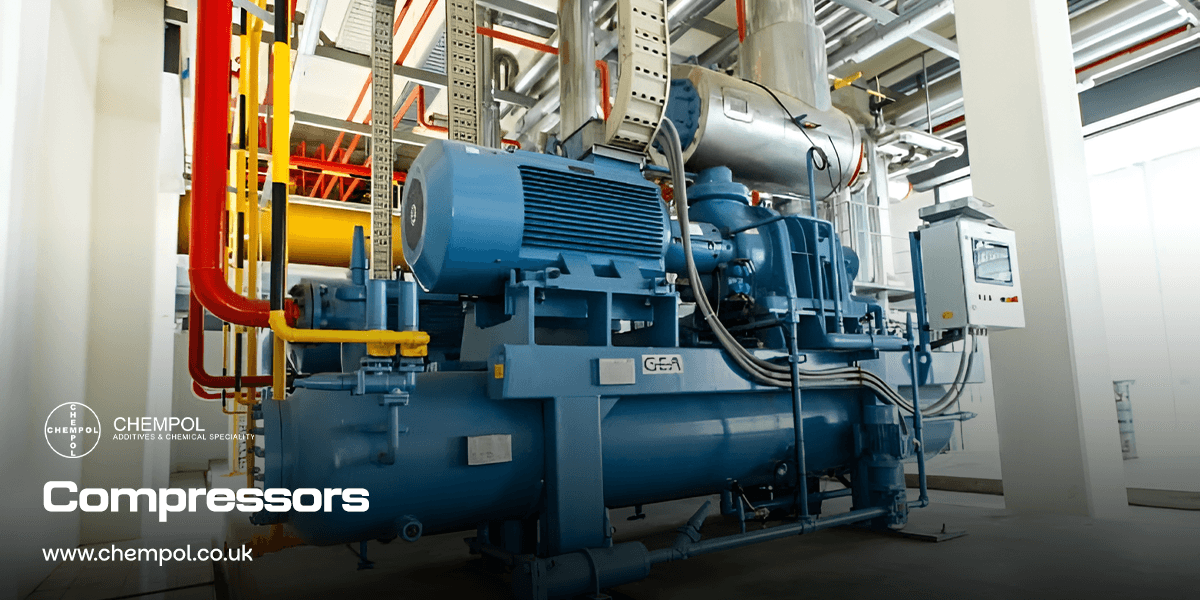
Compressor oil flushing may be considered during overhauls, lubricant changes, or contamination-related maintenance. Selection of the product is dictated by the compressor’s design and operating conditions, the types of residual oil, seals, and replacement lubricant, etc. Some systems use a specific flushing fluid or controlled fluid circulation instead of an additive in the service oil.
In all of these applications, the advantages would be to aid in the removal of deposits, transport contaminants, and allow maintenance personnel to clean equipment for use with fresh lubricant. Actual results will vary depending on the formulation type and cleaning process, and no additive will overcome persistent contamination, mechanical damage, or improper lubricant selection, or overheating.
Discuss your application with Chempol if you are evaluating a flushing additive for engines, hydraulic systems, turbines, compressors, or another oil-circulation system. Share your equipment details and cleaning objectives to help establish the relevant product-selection criteria.
How to Select the Right Additive and Work with Chempol
Selecting the appropriate metal-free flushing oil additive begins with understanding the problem. Procurement teams and maintenance managers should establish the type of equipment, the system volume, the existing lubricants, the new lubricants to replace them, the characteristics of the new deposit, and the cleaning methods. Oil-analysis results and inspection photos, if available, can also help to provide context.
Also, the required level of cleanliness and any equipment restrictions should be agreed upon. If the critical equipment has parts that are sensitive to contamination, or if the fluid specifications are very strict, or if varnish has previously been a problem, involve the equipment manufacturer and lubricant supplier.
Lubricant and additive needs for a specific industrial application can be discussed with Chempol. Before buying, please ask for the technical data sheet, safety data sheet, use conditions, compatibility information, and available performance data. Verify that the proposed product is for pre-oil-change cleaning, for a flushing fluid separate from the oil change, or for another specific use.
It shouldn’t just be about how much a single unit costs. The compatibility, treatment requirements, potential downtime, waste-fluid handling, and post-flush verification can all influence the overall maintenance decision. The more technically appropriate the product is and the more clearly defined the cleaning procedure, the easier it will be for buyers to evaluate the solution.
When it comes to recurring deposit issues, it is also crucial to determine the cause. Repeated deposits may be caused by excessive operating temperatures, contaminant ingress, lubricant degradation, and/or improper maintenance intervals. Cleaning, combined with these factors, can help support a more effective lubricant maintenance strategy.
Discuss Your Flushing Additive Requirement with Chempol
Once you’ve identified oil sludge, varnish, or oxidation deposits, you need to assess the situation to determine the right cleaning solution. Contact Chempol to discuss your application and get the lubricant or additive information you may need.
Request a quotation or contact Chempol about your flushing additive requirements to begin a technical discussion. Share your equipment requirements and cleaning objectives so that product suitability, compatibility, and recommended use conditions can be considered before procurement.