[email protected]

Diphenylamine Antioxidant for High-Performance Lubricants
The lubricant’s performance can be impaired by oxidation before a formulation reaches the end of its intended service interval. Chemical changes that can occur at high temperatures, oxygen attack, and under extreme operating conditions lead to acidity, deposits, viscosity changes, and loss of stability in the base oil. Selecting the right antioxidant is a key component of the formulation design process for lubricant manufacturers.
In situations where lubricants are exposed to high temperatures, a Diphenylamine Antioxidant can be used to control oxidation. Depending on the base stock, application, performance requirements, and full additive system, an octylated, butylated diphenylamine antioxidant for mineral and synthetic base stocks, CHEMPOL 5598 – High Temperature Antioxidant is available from Chempol. The liquid formulation can be easily incorporated and is available for evaluation in engine oils, transmission fluids, industrial lubricants and greases.
What is a Diphenylamine Antioxidant?
Diphenylamine antioxidants are aromatic amine-based compounds used in oil to reduce oxidation rates. Reactive species resulting from oil’s reaction with oxygen can trigger a chain reaction that leads to the formation of degradation products. Some antioxidant species can interact with free radicals and slow this chain reaction, extending the lubricant’s useful life.
Diphenylamine chemistry is relevant as a Lubricant Antioxidant Additive for formulations exposed to high temperatures. Octylated and butylated diphenylamines are modified forms used in lubricant applications, but must be considered in the context of the base oil and the complete additive system.
A High Temperature Antioxidant is a supplement, not a substitute, to good formulation design and maintenance. It should be chosen based on service conditions and confirmed against other requirements such as wear protection, viscosity control, cleanliness, and compatibility.
Why Lubricants Need Antioxidant Protection
High temperatures hasten many chemical reactions, and air provides oxygen. Heavy loads, prolonged operation, or local hot spots can place additional strain on the lubricant. Oxidation stability is important in some applications that require long service intervals.
During oxidation, the lubricant can form acidic by-products, varnish or sludge precursors, and other unwanted by-products. These changes can lead to deposits, changes in viscosity, and/or loss of cleanliness and/or performance, depending on the formulation and operating environment. This can result in increased maintenance, reduced equipment performance, and oil that is no longer suitable for its design specs.
Antioxidants reduce the rate of oxidation, thereby promoting the stability and longevity of lubricants. This benefit cannot be assumed based on additive type but depends on the base oil, antioxidant chemistry, treat rate, other additives, and operating conditions. An “antioxidant” label is not enough; buyers should check the product’s technical suitability and verify its full formulation.
How Diphenylamine Antioxidants Support Lubricant Oxidation Stability
Lubricant oxidation can proceed as a chain reaction involving reactive radicals. Antioxidants, such as diphenylamines, can interrupt parts of this process by reacting with peroxy radicals to form comparatively stable species. Their function is to delay propagation and thus regulate the rate of accumulation of oxidation products. This depends on the chemistry and operating conditions.
During formulation, the aim is to select a suitable Oxidation Stability Additive for the application and for the additive package as a whole. Results may be affected by temperature, base-stock composition, other antioxidants, and contaminants. For instance, an Engine Oil Oxidation Inhibitor should be evaluated in the finished engine oil, rather than as a standalone component.
Compatibility and incorporation into the base stock are also important. A liquid antioxidant is easier to handle and blend. Still, the formulator should confirm its behavior in the formulation, and the tests used to verify the antioxidant’s performance should be suitable. CHEMPOL 5598 is used in mineral and synthetic base stocks, and is a product to consider when selecting a High Temperature Lubricant Additive.
Applications of Diphenylamine Antioxidants in Lubricants
Antioxidants are selected based on the lubricant type, as temperature, duty cycles, and formulation targets differ. Diphenylamine chemistry can be viewed through several classifications and evaluated by usage.

Passenger Car Motor Oils
Passenger car motor oils encounter a variety of environmental conditions, such as fluctuating temperatures, start-stop driving, and varying engine loads. A Passenger Car Motor Oil Antioxidant should be tested in the complete formulation (base oil and additives). For formulations that require high-temperature antioxidant protection, CHEMPOL 5598 can be considered.
Diesel Engine Oils
Diesel engines can be used under continuous loads and harsh thermal conditions. A Diesel Engine Oil Antioxidant is one component of a broader strategy to maintain oil stability and control degradation products, thereby combating oxidation. Selection should be determined by the type of engine, service conditions, and finished oil requirements.
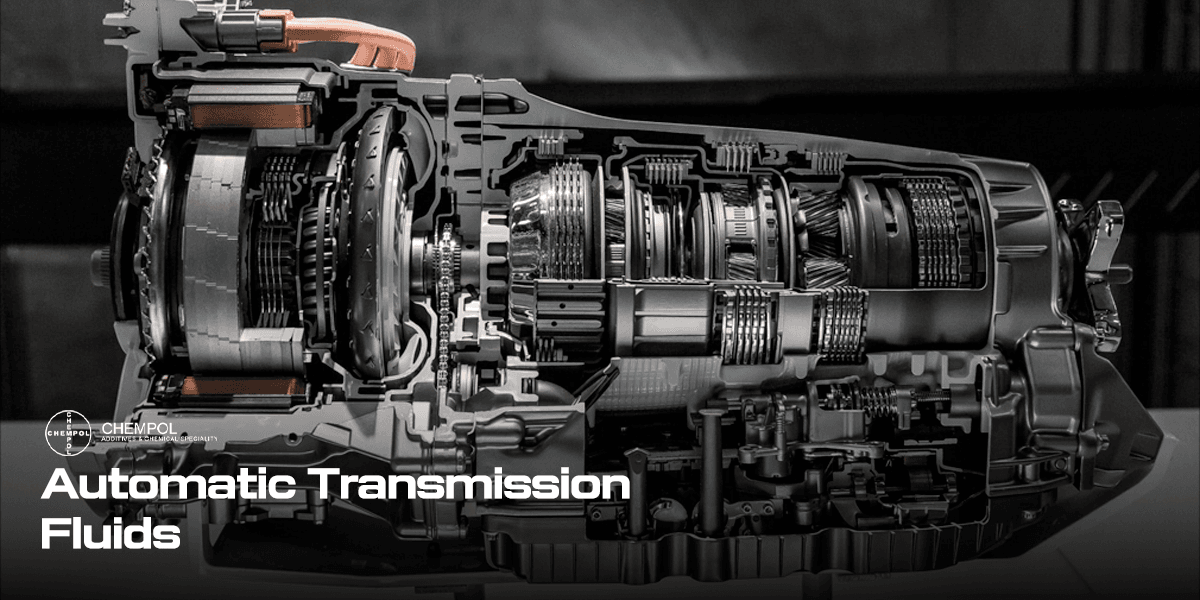
Automatic Transmission Fluids
Automatic transmission fluids must perform their function under heat and mechanical operation. The performance and compatibility of any Automatic Transmission Fluid Antioxidant need to be evaluated with respect to the ATF formulation and performance requirements. CHEMPOL 5598 is labelled as ATF.
Marine Diesel Oils
The service life of the marine lube system may be long and the conditions difficult. To achieve the oxidation stability desired by the chosen lubricant, a Marine Diesel Oil Antioxidant may be added. Select depending on the desired product, operating conditions, and base-stock system.
Industrial Lubricants
Industrial lubricants serve equipment across a wide spectrum of operating conditions, including temperature, load, and operating cycles. Oxidation can impact the stability of fluids and promote undesirable deposits. Depending on the technical requirements and equipment, these risks can be addressed as part of a formulation strategy by using an Industrial Lubricant Antioxidant.
Greases
Greases are a blend of base oil, thickener, and performance additives that can influence the service behavior. A Grease Antioxidant Additive can help to protect the oil part against oxidative degradation. Check the compatibility of the grease system and application with a formulation evaluation.
CHEMPOL 5598 – High Temperature Diphenylamine Antioxidant
CHEMPOL 5598 from Chempol is an octylated, butylated diphenylamine antioxidant for mineral and synthetic base stocks for manufacturers who want a diphenylamine type. It is designed for use in lubricant formulations requiring high-temperature antioxidant protection and oxidation stability.
It can be easily incorporated into lubricant blends due to its liquid form, and its high nitrogen content is a relevant attribute when considering antioxidant options. CHEMPOL 5598 is suitable for consideration in passenger car motor oils, diesel engine oils, automatic transmission fluids, marine diesel oils, industrial lubricants and greases. It’s also widely applicable and can be used for a variety of applications, allowing the buyer to test it in various formulations and ensuring it is appropriate for each finished lubricant.
Review the product against technical targets, processing conditions and performance requirements. Avoid assumptions of rates, detailed specifications, test data and application recommendations, as these should be obtained directly from Chempol, enabling R&D and procurement teams to make decisions with relevant information.
Looking for a diphenylamine antioxidant for your lubricant formulation? Contact Chempol to request information on CHEMPOL 5598, discuss your application, and ask about the technical details needed for evaluation.
Diphenylamine Antioxidant for Mineral and Synthetic Base Oils
Note that mineral and synthetic base stocks differ in composition and behavior; therefore, the antioxidant should be matched to the full formulation. A Mineral Oil Antioxidant should be evaluated in the mineral base oil and additive package used. In contrast, a Synthetic Oil Antioxidant should be evaluated in the synthetic base stock and finished oil.
CHEMPOL 5598 is designed for both mineral and synthetic base stocks. This can be considered an alternative for evaluation as an Antioxidant for Mineral Base Oils and Synthetic Base Oils across lubricant applications. Suitability in a specific formulation still depends on base-stock chemistry, other additives, blending conditions and required performance.
Before approval, verify incorporation, compatibility and oxidation performance by suitable testing. Chempol can supply product data to assist the purchaser in deciding the technical evaluation required for their formulation.
How to Choose the Right Lubricant Antioxidant Additive
Consider the purpose of the finished lubricant. Check operating temperatures, duty cycles, base oil, application, and oxidation stability. The transfer of additives from one type of lubricant to another is not to be assumed.
Verify compatibility with the full additive package, ease of incorporation, the blending process, and appropriate product specifications. Determine required evidence for approval including internal screening, oxidation tests/compatibility tests. The choice should not be based on one property of the ingredients.
When mineral or synthetic lubricants are being considered for the formulation, octylated and butylated diphenylamine chemistry should be assessed using CHEMPOL 5598. Inform the supplier of the planned application and the base stock to be used, and request the technical information for review.
Evaluating antioxidant options for a formulation? Speak with Chempol about your base oil, application, and technical requirements to determine whether CHEMPOL 5598 merits further evaluation.
Talk to Chempol About Your Lubricant Antioxidant Requirements
The choice of the right Diphenylamine Antioxidant should be based on the base stock, application, and the end product’s performance requirements. CHEMPOL 5598 is a high-nitrogen-content, liquid, octylated, butylated diphenylamine antioxidant for use in mineral and synthetic base stocks.
When comparing suppliers or working on a formulation, contact Chempol to receive CHEMPOL 5598 product information, technical data, application suitability, sample options, and commercial information. Let the discussion focus on what your team needs next by sharing your lubricant type, base-stock system and evaluation criteria.