[email protected]


Low-Performance Diesel engine oils? Can Additives Clean Up Emissions and Fuel Economy?
These days, internal combustion engines (ICEs) make a lot of smoke. ICEs can run on gasoline oil with spark ignition or diesel oil—crude oil, which is the main fuel source for these engines. However, oil is receding from nature and becoming a serious issue for automotive makers and related industries. It is becoming more and more important to find ways to make cars use less gas while also lowering their pollution so that they can meet stricter rules. Engineers are finding ways to make such efforts that can help them to use less fuel, whether it could be through technology.
One such solution that has gained attention is the use of diesel fuel additives, such chemicals that help use less fuel and make better engine progress for a long time.
These additives are chemicals that can be added to diesel fuel to improve its performance and reduce its fuel consumption in the engine. Further, it helps to curb environmental dangers by mitigating particulate matters.
When additives are used, they release less carbon monoxide (CO) and hydrocarbons (HC), which are both dangerous gases.
The Use Of Diesel Fuel Additives To Get The Most Out Of Your Engine Oil
Multiple diesel engine oil additives are designed to optimize the combustion process in the engine. This is done by facilitating a more thorough and efficient combustion of the fuel-air mixture.
These additives can generate notable advancements in both power output and fuel economy. This is done through various mechanisms, like improved atomization of fuel droplets, enhanced flame propagation, and reduced formation of soot or other combustion byproducts.
This could show results when diesel engine operators experience improved performance, reduced fuel consumption, and potential cost savings. Moreover, some additives contain detergents and dispersants that help maintain engine cleanliness, which further contributes to optimal operation and longevity.
Additives Help Fuel To Leave Behind Less Pollution
With the help of additives, diesel fuel can reduce its environmental impact. The damaging effect of diesel engines on the environment needs mitigation strategies and chemicals that offer a promising avenue for achieving this goal. These specialty chemicals and additives function by changing the combustion process, leading to a decrease in harmful pollutants such as hydrocarbons (HC), particulate matter (PM), and nitrogen oxides (NOx).
Many studies have indicated that specific additives can effectively reduce PM emissions, which are the major contributors to respiratory diseases and other human health problems. Additionally, additives that promote more complete combustion can lower HC and NOx emissions, both of which play a role in the formation of smog and acidic rain. So, we can say that additives contribute to improving air quality and public health issues by reducing the release of these harmful pollutants.
Diesel Engine Oil Additives That Clean And Protect Them
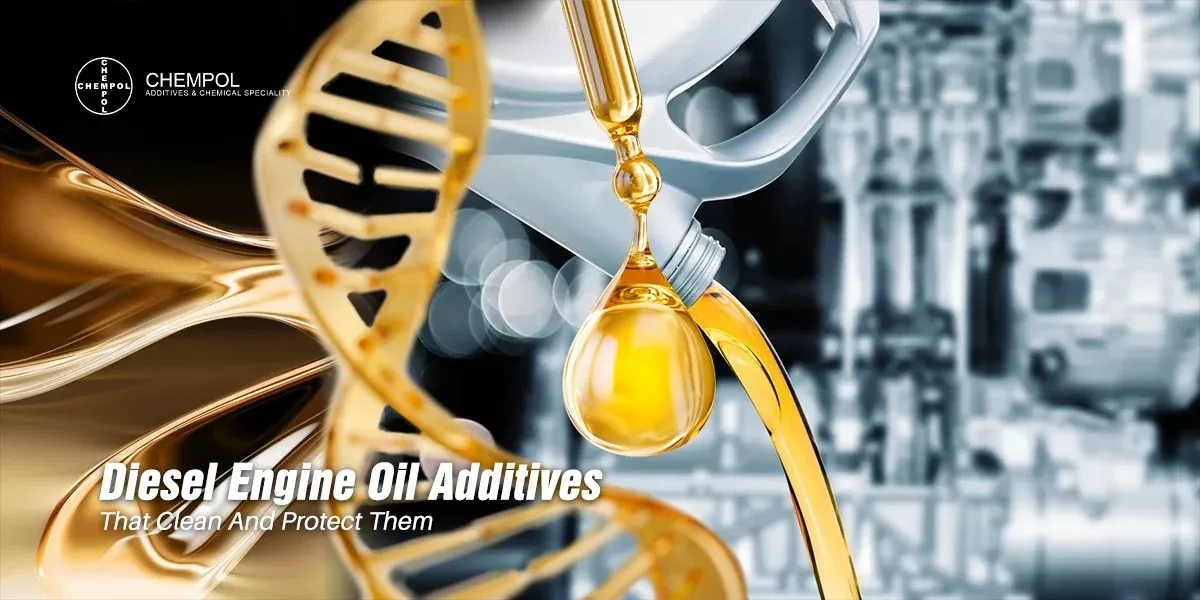
Diesel oil additives are necessary to keep the fuel system clean and healthy. This is important for getting the most out of the engine and making it last longer. A lot of different additives are made by companies to keep fuel injectors, valves, and other important engine parts clean. Deposits that stop fuel from atomizing, change spray patterns, and make combustion less efficient can lead to less power, more fuel use, and higher pollution.
Some chemicals also have detergent and dispersion properties that help keep the inside of the engine clean by stopping dirt from building up. Diesel engines, which easily make soot and other particles, are a great example of why this is important. These chemicals can make the engine last longer by keeping it clean. This lowers the risk of corrosion and wear and tear.
Research shows that adding fuel additives can make engines run better, use less fuel, and put out less pollution. As an example, studies have shown that certain additives can greatly lower the amount of deposits that form on fuel nozzles. This makes the spray patterns better and the combustion process more efficient. In the end, there may be fewer pollutants from things like nitrogen oxides and particulate matter, more power, and less fuel use.
Chemicals In Diesel Oil To Make It Stable
Degraded and burned fuel can go through a chain chemical reaction that can make gums, sediments, and particles that can’t be dissolved. In the fuel system, these breakdown products can clog filters, fuel lines, and injectors. This could damage the engine and make it use more gas or affect performance.
Most of the time, fuel additives are used to lessen the effects of these issues. This is how these additives work: they mess up the routes for fuel oxidation and degradation. A common part is antioxidants, which help get rid of free radicals, which are very unstable particles that can start and spread oxidation. Stabilizers work by getting rid of these free radicals, which stop fuel from breaking down and stop the formation of harmful deposits.
According to a study, fuel stabilizer additives make it possible to store diesel fuel for longer without losing any of its usefulness. Studies have shown that stabilized fuel is better at filtering, less acidic, and less likely to make gum than untreated fuel. This could lead to more reliable engines, lower maintenance costs, and better operating efficiency.
Which Additives Are Suitable For Your Engine Oil
To determine which fuel additives will be most effective for your diesel engine, you must understand how it operates. The engine operation in extreme heat, altitude, or with large loads may put pressure on diesel engines more than usual. It could be necessary to utilize specific chemicals as a result. In cold weather, viscosity index improvers are essential to prevent gasoline from solidifying and to maintain engine performance. Additionally, additives that increase engine lubrication & protect against wear may be beneficial if your engine is subjected to high levels of stress on a regular basis.
Selecting Trustworthy Suppliers And Follow Their Guidelines
You can Select manufacturers with a track record of satisfied customers. This is crucial because different diesel engine oil additives function differently and are of varying quality. This ensures that the chemicals you’re using are safe, effective, and manufactured in accordance with industry standards after undergoing extensive testing. Don’t forget to adhere to the dosage guidelines included with the prescription strictly. When an additive is used excessively, it can reduce engine efficiency, increase emissions, and even break parts. It’s best to adhere to the manufacturer’s instructions when using diesel engine oil additives. Additionally, there is less likelihood of unfavorable side effects.
Additives for diesel engine oil are a good approach to improve the efficiency and environmental benefits of diesel engines. Diesel engines can have a significant impact on public health and air quality, but these modifications can help reduce pollution emissions, increase engine longevity, and reduce fuel consumption. Fuel additives will probably become increasingly important as diesel pollution regulations tighten, contributing to the goal of cleaner and more effective transportation.