[email protected]

Evaluation of Newly Co-polymers and Diesel Engine Oil Additives Lubricating Oil
Lubricant oils are necessary for the smooth running of diesel engines specifically and to the machines generally. The reason is that they reduce friction, wear, provide cooling, and remove contamination. One additional thing is added to them” additives” that boost the machine’s performance.
Importance of Lubricants for Diesel Engines
Diesel engines are workhorses of various industries, powering trucks, ships, and generators. Their operation is under extreme conditions, subjecting their internal components to high temperatures and pressures.
The oil is a lifeline for these engines, providing essential functions such as:
Friction Reduction:
Lubricants create a barrier shield between moving parts, minimizing friction and wear. This results in extended engine life and improved fuel efficiency.
Heat Dissipation:
Diesel engines generate a substantial amount of heat. Lubricants and diesel engine oil additives help dissipate this heat, preventing overheating and engine failure.
Corrosion Prevention:
Lubricants contain anti-corrosion additives. These are chemical substances that protect engine parts from moisture and chemical attacks.
Cleansing Action:
detergents and dispersant additives keep the engine clean by preventing the formation of sludge and deposits.
Emission Reduction:
advanced lubricants, along with their additives, can reduce harmful emissions. Thus, they help contribute to environmental sustainability.
Types Of Additives In Lubricating Oils
Diesel engine oil lubricants are formulated with various additives to achieve these vital functions. these are:
Viscosity Index Improvers
These additives improve the viscosity-temperature relationship, ensuring adequate lubrication across a multiple temperature range.
Pour Point Depressants:
They avoid thickening in cold weather by lowering the temperature at which the oil flows.
Anti-Wear Agents:
These additives minimize wear and increase engine longevity by lowering friction between metal surfaces.
Detergents:
Detergent additives keep engine parts clean by stopping the buildup of sludge and deposits.
Dispersants:
Dispersants keep impurities and combustion byproducts suspended in the oil, keeping them from adhering to engine surfaces.
Anti-Corrosion Agents:
These additives guard against rust and corrosion in engine parts.
The Goal: Assessing Copolymers as Multipurpose Additives
Our primary goal is to assess the characteristics and applications of recently synthesized copolymers as multipurpose lubricant additives. Alkyl acrylate and maleic anhydride are used in a synthetic process to make these copolymers. These compounds react with various amines to form amide groups. To determine the structure and molecular weight of these copolymers, characterization techniques such as gel permeation chromatography (GPC), nuclear magnetic resonance (NMR), and Fourier transform infrared (FTIR) were used.
Lubricating oils contain the following primary categories of additives:
- Viscosity index improvers, or VIIs, keep the viscosity of the oil constant across a broad temperature range.
- Pour point depressants (PPDs) facilitate easier oil flow at low temperatures by lowering the oil’s pour point.
- Anti-wear chemicals lessen wear and friction between moving parts.
- Engine surfaces are cleaned of deposits and impurities using detergents.
- In order to be filtered out, dispersants maintain impurities floating in the oil.
- Engine parts are shielded from corrosion by anti-corrosion chemicals.
Objective
this study aims to assess the characteristics and applications of recently created copolymers for multipurpose lubricant additives.
Synthesis And Characterization Of Copolymer
The copolymers were made by combining different amines with maleic anhydride and alkyl acrylates to form amide groups. Below is an example of the synthesis reaction:
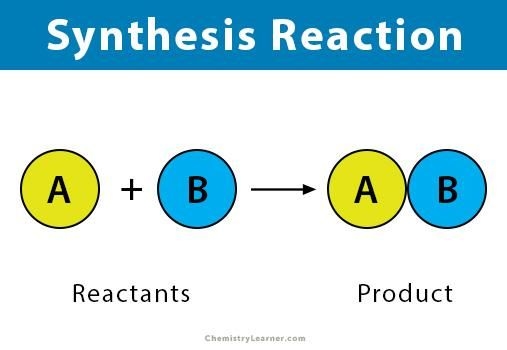
To verify the structure and molecular weight of the copolymers, Fourier transform infrared (FTIR), nuclear magnetic resonance (NMR), and gel permeation chromatography (GPC) were applied.
The following table shows some of the characterization results:
Copolymer FTIR NMR GPC
Copolymer 1 Strong bands at 1720 cm−1 (C=O) and 1540 cm−1 (N−H) Peaks at 3.3 ppm (CH2CH2NHCO) and 1.2 ppm (CH3CH2CH2O) Mn = 5000 g/mol
Copolymer 2 Strong bands at 1720 cm−1 (C=O) and 1540 cm−1 (N−H) Peaks at 3.6 ppm (CH2CH2NHCO) and 0.9 ppm (CH3CH2CH2CH2CH3) Mn = 6000 g/mol
Copolymer 3 Strong bands at 1720 cm−1 (C=O) and 1540 cm−1 (N−H) Peaks at 3.8 ppm (CH2CH2NHCO) and 1.6 ppm (CH3CH2CH2CH2CH2CH2CH3) Mn = 7000 g/mol
Assessment of Emissions and Performance of Lubricating Oil
The recently produced copolymers were used as multipurpose additives into polyol base oil. They underwent a series of experiments to evaluate their effects on a range of attributes, such as the viscosity index, pour point, anti-wear, anti-friction, detergent-dispersant, and anti-corrosion qualities. Next, the outcomes were contrasted with those of various commercial additions and a blank polyol.
As multifunctional additives, the copolymers were added to polyol base oil, and their viscosity index, pour point, anti-wear, anti-friction, detergent-dispersant, and anti-corrosion capabilities were evaluated. The outcomes were contrasted with those of other commercial additions and blank polyol.
The following table shows a summary of the results:
Property Copolymer 1 Copolymer 2 Copolymer 3 Blank polyol Commercial additive 1 Commercial additive 2
Viscosity index 150 160 170 100 120 140
Pour point (°C) -20 -25 -30 -5 -10 -15
Anti-wear index 0.95 0.97 0.99 0.90 0.92 0.94
Anti-friction coefficient 0.05 0.04 0.03 0.06 0.05 0.04
Detergent-dispersant performance Excellent Excellent Excellent Good Good Excellent
Anti-corrosion performance Excellent Excellent Excellent Good Good Excellent
Advantages and disadvantages of each copolymer as a multifunctional additive
Copolymer 1: High viscosity index, low pour point, excellent anti-wear and anti-friction properties, good detergent-dispersant properties, and good anti-corrosion properties.
Copolymer 2: Excellent anti-wear and anti-friction properties, good detergent-dispersant properties, and good anti-corrosion properties.
Copolymer 3: High viscosity index, low pour point, and good detergent-dispersant properties.
Synthesis and Characterization of Additives
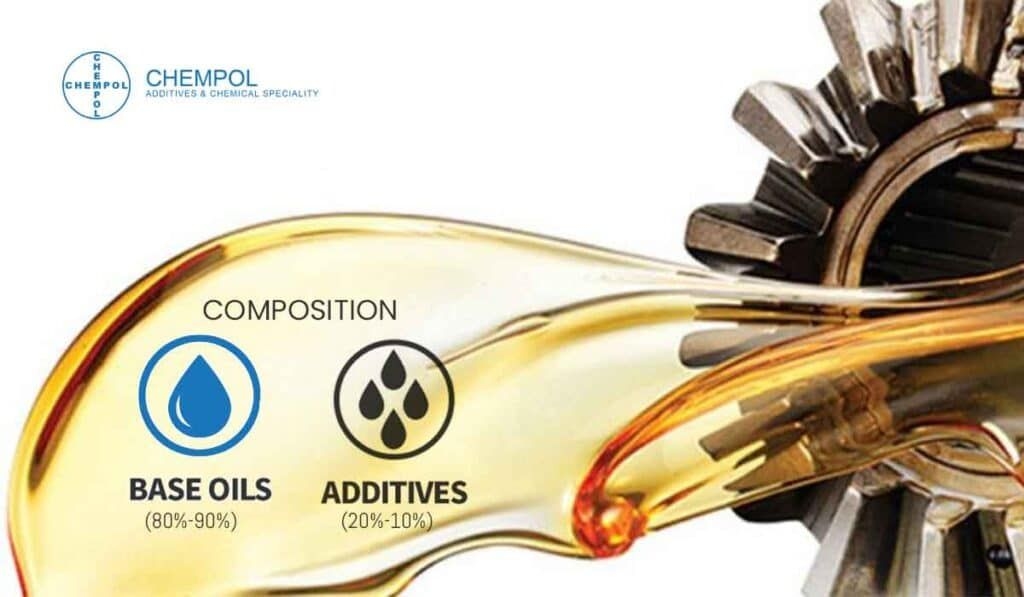
Engine oil manufacturers synthesize copolymers meticulously to ensure their effectiveness as Additives. The process involved the reaction of alkyl acrylate and maleic anhydride with various amines to form amide groups. This chemical transformation is carefully monitored and controlled. Subsequently, the copolymers are subject to rigorous characterization, including:
- Fourier Transform Infrared (FTIR): FTIR spectroscopy confirmed the presence of specific functional groups in the copolymers, validating their structure and formation.
- Nuclear Magnetic Resonance (NMR): NMR analysis provided insights into the copolymers’ molecular structure and composition.
Gel Permeation Chromatography (GPC): GPC determined the molecular weight distribution, ensuring uniformity.