[email protected]


8 Ways How the Top Zinc Oil Additive Boosts Performance in Motor Oils & Older Vehicles
Engine components are always subjected to stress caused by heat, pressure, and friction. However, this stress is particularly increased in old car engines that are not designed with current technology. Under such circumstances, the role of zinc oil additives is extremely crucial. Zinc additives have long been used in engines to protect them. Even today, it is widely used in classic and high-mileage engines.
This blog will inform you about zinc additives and their purposes. The importance and benefits of zinc additives as Lubricant Components will also be discussed. The benefits mentioned will apply to both old and modern cars.
Understanding Zinc Additives in Engine Oils
A zinc engine oil additive mainly contains zinc dialkyldithiophosphate, often called ZDDP. This substance produces a thin layer that protects metal parts. The substance prevents direct contact between the metal parts when the engine is running. This reduces metal wear when the engine is started and under heavy load.
The modern engines are designed to run on the best oils. In some cases, though, an engine may rely on zinc for protection. A flat tappet camshaft may be found in some older vehicles and requires zinc-rich oil. Insufficient zinc levels can cause premature wear of it and other components.
Why Older Vehicles Need Zinc-Based Protection
Older engines, built prior to strict emission regulations, required oils with high zinc content. Over time, as standards evolved, measures to protect catalytic converters were implemented. These changes dramatically reduced zinc levels in many oils. This modification works just fine with new engines but poses a risk for older ones.
A Zinc additive for older cars restores this lost protection. Therefore, it helps engines to continue operating precisely as originally designed. Many car owners report smoother operation and quieter running after adding zinc-based additives. CHEMPOL 5395 is a common example of such an additive offering exceptional anti-wear and extreme pressure protection.
Way 1: Strong Wear Protection Under High Load
The initial and most significant advantage of a zinc oil additive is in the control of wear. When heat and pressure increase, zinc acts upon metallic surfaces. It creates a sacrificial layer to protect other engine components from friction-related damage. This works well during cold start-ups, while towing, or during heavy vehicle operation. Engines with high mileage are especially well-suited to the benefits of zinc oil additives.
Method 2: Increased Camshaft and Lifter Durability
Camshafts and hydraulic lifters have to deal with high friction. In traditional flat-tappet systems found in older engine designs, zinc additives are heavily used. The zinc additive for motor oil lowers scuffing and surface fatigue for these components. The role of zinc in reducing friction between surfaces will enable components to maintain their shape.
Way 3: Enhanced Oil Film Strength
Oil film strength is the property that enables oil to separate moving parts. Zinc reinforces the oil layer, thereby improving this property. Lubricating oil zinc additives help retain oil structure under stress. This benefit counts during high-speed driving or when the climate is hot. The engines will remain better protected even as oil viscosity decreases due to heating.
Way 4: Less Friction, Smoother Operation
It is responsible for friction and causes heat, noise, and energy loss. Friction, in turn, is reduced by car engine zinc additives through smoothing metal contact areas. Many drivers reported quieter engines and smoother acceleration after using zinc-enhanced oils. Lower friction also improves engine response. Though zinc does not act as a fuel additive, reduced energy loss helps engines run more efficiently.

Way 5: Support for High-Mileage Engines
Engines with high mileage face worn surfaces and weaker seals. Zinc additive oil performance improves protection in such engines by compensating for age-related wear. Zinc helps limit further damage and stabilizes oil performance. Many mechanics recommend zinc additives during oil changes for engines that show signs of wear but remain mechanically sound.
Way 6: Protection During Break-In Periods
Newly rebuilt engines require particular attention during break-in. This is because metallic components take time to fully seat. Zinc additives aid this process by reducing friction and facilitating controlled surface contact. A specific zinc engine oil additive can be added to engine oil and helps protect camshafts and rings during break-in.
Way 7: High-Temperature Thermal Stability
High temperatures can deteriorate oils slowly. Zinc additives help oils withstand thermal stress. It helps protect metals. This action prevents increased wear and tear while driving. In tropical countries, engine oils are exposed to intense heat. Zinc additives enhance oils' performance and improve it even further in such circumstances.
Way 8: Extended Engine Life and Reliability
Engines that are less affected by wear can last longer. A zinc oil additive in the oil helps prevent the engine from wearing out. This is particularly important for older cars, as spare parts can be expensive or hard to find. Zinc additives help preserve the parts the car already has in place. They produce an antioxidant that prevents oxidation.
Zinc Additives vs Modern Oil Technology
Modern oils rely on advanced additive systems. These include detergents, dispersants, and friction modifiers. However, zinc still plays a unique role in wear protection. While modern engines may not need extra zinc, older designs often do. Choosing the right zinc additive for motor oil depends on engine type, age, and usage pattern.
Correct Usage and Dosage Considerations
Using zinc additives requires balance. Excess zinc can affect emission systems in modern cars. Always follow product guidelines and engine recommendations. For classic vehicles, proper zinc levels restore original oil performance. Many users add zinc during oil changes to ensure even distribution.
Compatibility with Other Oil Additives
Zinc additives often work alongside detergents and antioxidants. Together, they form a complete oil protection system. Lubricating oil zinc additives support other additives without interfering when used correctly. Compatibility matters most in blended oils. Quality zinc additives blend well with most mineral and synthetic oils.
Choosing the Right Zinc Additive
Not all zinc additives are of equal quality. Select the products based on the specifications and the desired zinc content. A good company will have standardized compositions and properties. A brand can be trusted for technical assistance and quality. It also enables choosing the right product based on the engine requirements.
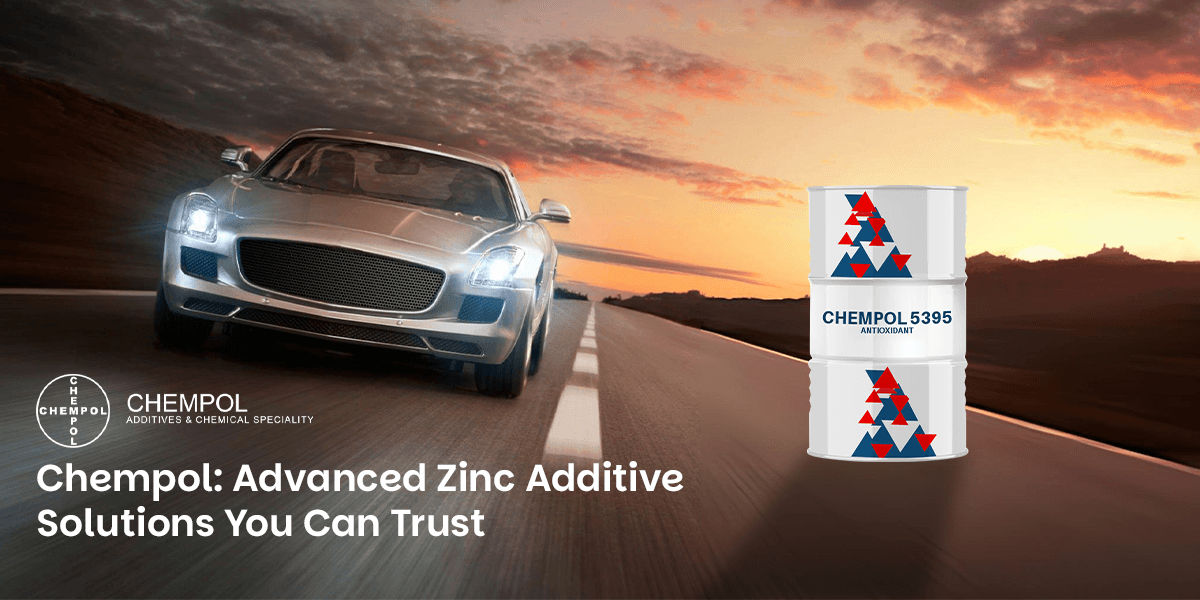
Chempol: Advanced Zinc Additive Solutions You Can Trust
Chempol develops high-quality zinc oil additive solutions designed for reliable engine protection. With strong expertise in additive chemistry, Chempol delivers zinc-based products that enhance wear control, oil stability, and engine life. Its solutions support older vehicles, high-mileage engines, and demanding operating conditions. As a trusted additive manufacturer, Chempol focuses on performance, consistency, and long-term engine reliability. Schedule an appointment today if you wanna learn more about our additives.