[email protected]

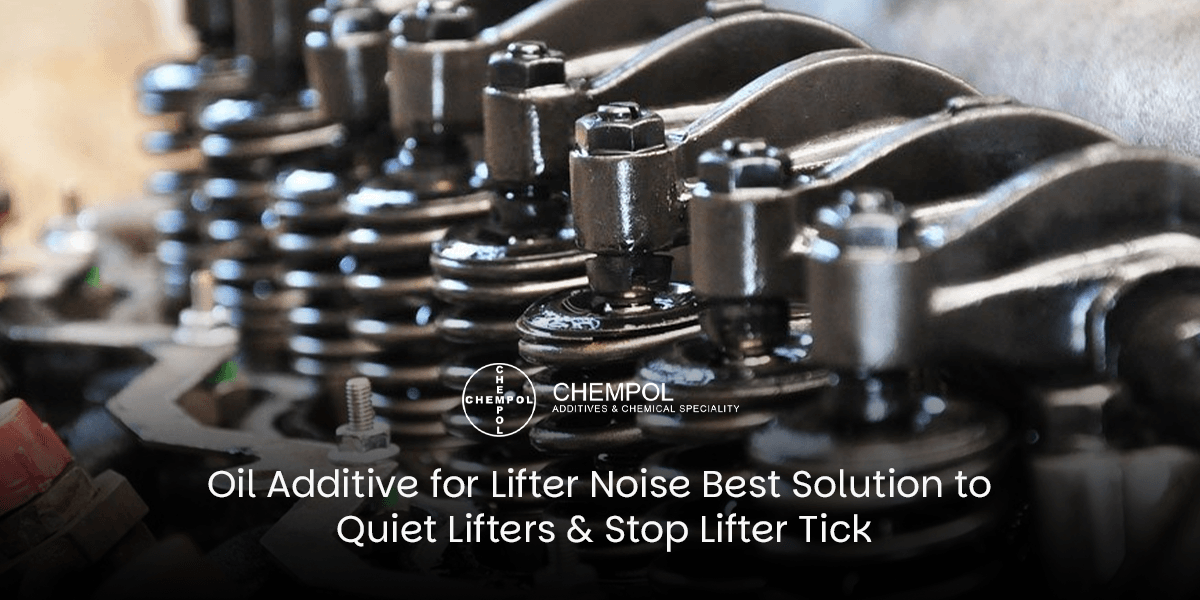
Oil Additive for Lifter Noise – Best Solution to Quiet Lifters & Stop Lifter Tick
Lifter noise is one of the most common issues reported, not just in older engines but also in high-mileage engines. The drivers report hearing a tick or tap sound for the first time when they start the engine cold. The most important thing to understand is that lifter noise, most of the time, doesn't directly indicate serious engine damage. On the contrary, it indicates oil flow restriction, build-up, or wear on the lifter components. Applying the oil additive for lifter noise can solve this to a great extent.
This blog explains what creates lifter noise, how engine oil additives function, and why they are important for reducing lifter noise and preventing engine damage.
Understanding Lifter Noise and Lifter Tick
The lifters are situated between the camshaft and valves. They maintain proper valve clearance according to changes in engine speed and temperature. Hydraulic lifters will not act properly without engine oil pressure. If lifters do not get oil quickly and evenly, they tend to collapse or stick.
This is an issue that often results in engine ticking noise when cold, which fades as the engine warms up. Cold oil flows a bit slowly, especially in those engines where sludge or varnish has built up. Repeated dry contact over time increases wear and noise.
Common Causes of Lifter Noise
There are several causes for lifter tick. Dirty oil passages restrict oil flow. Insufficient oil pressure prevents lifter fill. The wrong viscosity oil can hamper lifter movement. Wear within the lifter can exacerbate engine noise in an older engine.
Additives act as a remedy for such underlying causes rather than a treatment for the noise itself. A good engine oil additive for a lifter noise problem should improve oil flow, remove engine deposits, and promote proper lifter functionality.
How Oil Additives Help Quiet Lifters
The additives in oil feature a mix of detergents, dispersants, friction modifiers, and viscosity stabilisers. The additives combine different functions that enhance oil lubrication and cleanliness. The additive to quiet lifters helps oil flow within lifter assemblies, reducing friction between the moving parts. The additives ensure correct timing by providing consistent oil pressure and holding the lifter assemblies at the correct position.
Why Lifter Noise Is Common in High-Mileage Engines
As engines age, internal clearances increase. Oil pumps lose efficiency, and deposits form in oil galleries. These factors reduce oil delivery to lifters. High-mileage engines often benefit most from the best oil additive for lifter noise, as additives compensate for age-related wear. Regular use during oil changes helps maintain performance without mechanical repair in many cases.
Additive to Quiet Lifters During Cold Starts
Cold starts place the highest stress on lifters. Thick oil takes longer to reach the upper engine parts. An oil additive to stop lifter tick improves cold-flow behaviour and reduces startup friction. Drivers often notice quieter operation within a few drive cycles. While results vary by engine condition, consistent use supports better startup lubrication.
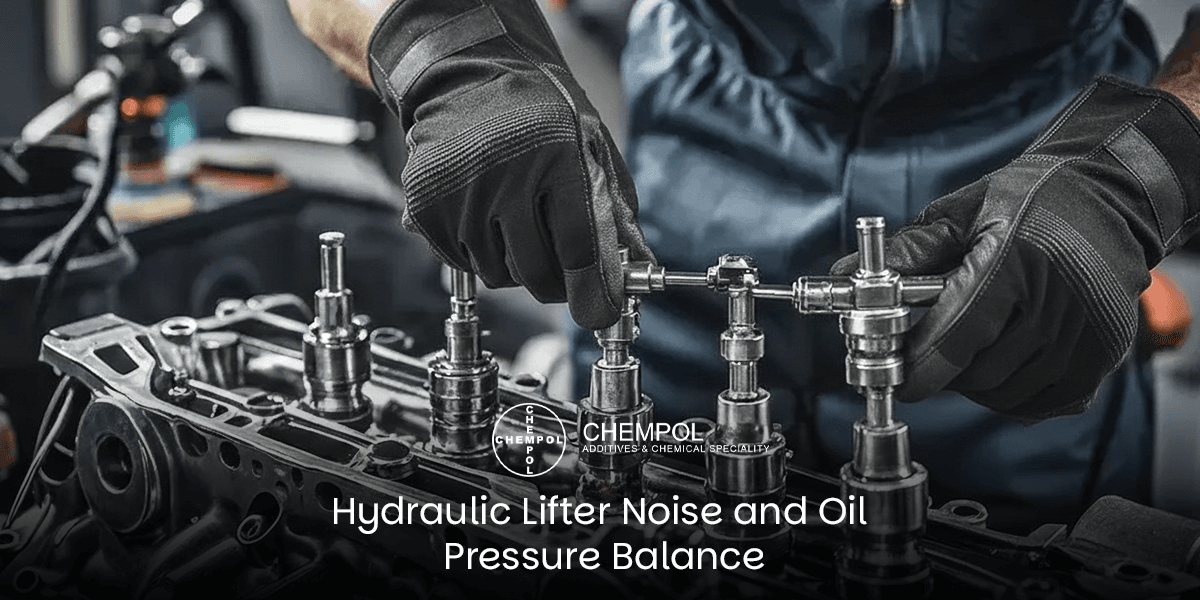
Hydraulic Lifter Noise and Oil Pressure Balance
Hydraulic lifters depend on oil pressure balance to function correctly. Fluctuations cause lifter collapse and noise. A hydraulic lifter noise additive stabilises oil pressure by improving oil film strength and viscosity control. This balance helps keep lifters full during idle and stop-and-go traffic, which is useful in urban driving conditions.
Cleaning Deposits That Cause Ticking Lifters
Sludge and varnish can clog the tiny passages in oil lifters. Detergent-rich additives can gradually dissolve these deposits. An oil additive for ticking lifters will slowly clean internal parts without requiring aggressive flushing. Because cleaner lifters respond more quickly to changes in oil pressure, they produce less noise and wear.
The Part of Viscosity Control in the Reduction of Lifter Noise
The viscosity of oil is one of the factors determining the speed of oil flow through the engine. Thin oil may leak from worn lifters, while thick oil may not flow fast enough when cold. Additives help maintain a stable viscosity over the temperature range. An engine oil additive properly balanced to reduce lifter noise will provide continuous lubrication from cold start to full operating temperature.
When to Use an Oil Additive for Lifter Noise
Additives can be very effective at treating lifter noise when the problem is oil-related, not mechanical wear. If the noise persists after the engine has been warmed up and the oil has been changed, it is likely that the lifters are worn to the point of needing replacement. However, in most situations, additives can serve as a cost-effective measure to try before resorting to major repairs. Regular oil analysis and adherence to maintenance schedules help determine the best course of action.

Compatibility with Modern and Older Engines
Generally, lifter noise additives are compatible with mineral, synthetic, and blended lubricants. They can also be used on both gasoline and diesel engines, except where noted. It is always advisable to refer to the manufacturer's instructions before proceeding. An additive for quiet lifters should integrate well with the existing oil chemistry and not interfere with other additive systems.
Performance Benefits Beyond Noise Reduction
Beyond reducing noise, lifter additives improve overall lubrication. Reduced friction leads to smoother engine response. Clean oil passages improve oil pressure stability. Using the best oil additive for lifter noise often results in quieter operation, reduced wear, and longer engine life.
Industry Data on Engine Noise and Maintenance
Automotive service data shows that lifters or valve-train noises account for almost 40 per cent of all engine noise complaints. Often, the condition and flow of oil are the main culprits in such cases. Therefore, this data emphasises that oil-based treatments remain useful for noise control at an early stage.
Choosing the Right Oil Additive for Lifter Noise
Not all additives are equally effective. Good additive products primarily focus on cleaning, lubrication, and viscosity regulation. Do not use products claiming quick fixes without improving oil flow characteristics or eliminating oil deposits. The reliable oil additive to stop lifter tick is from a reputable additive supplier with high testing standards.
Chempol: Trustworthy Solutions for Lifter Noise Reduction
Chempol makes advanced oil additives, intended to restore smooth engine performance. Its ingredients address oil flow, cleaning deposits, and maintaining stable hydraulic lifter performance. Drawing on extensive knowledge of additive formulations, our additives are made to improve engine protection and performance for high-mileage and older engines alike. So contact Chempol now for the best oil additives to fix lifter noises.