[email protected]

The Quality of Heat Transfer Oil Additive for High-Temperature Performance
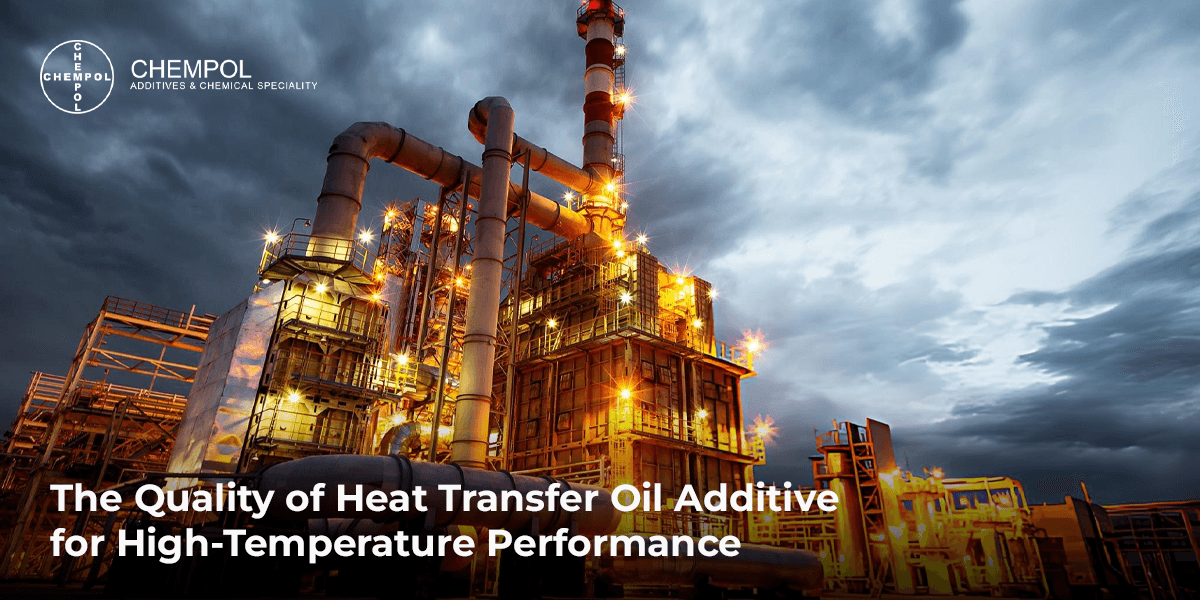
In an industrial plant, stable heat flow is a necessity for the safe and efficient operation of systems. A large number of manufacturing processes, such as chemical production and power generation, use heat transfer oils to transfer thermal energy at very high temperatures. Ultimately, high heat decomposes the oil, lowers lubrication, and increases the production of deposits that are detrimental to the system. Such issues lower the efficiency of the system and increase the chances of its failure. That is the point where HTO additives work spectacularly.
Heat transfer oil additive, which is well formulated, can do a lot for a heat transfer oil by making it more thermally stable, controlling oxidation, and even keeping the equipment, which is usually very expensive, safe. Advanced industrial additives have become an inseparable part of modern thermal management and can be found in everything from reactors and furnaces to boilers and processing plants.
Understanding Heat Transfer Oil Systems
Heat transfer oil is used in closed systems to transfer heat from one place to another. Oil can operate at very high temperatures without the need for high pressure, unlike water or steam. This makes it perfect for industrial applications that require accurate temperature control.
Nevertheless, high-temperature operation will gradually damage the oil. Oxygen, heat, and contaminants cause the oil to oxidize, form sludge, and change its viscosity. These problems lower the heat transfer and cause pumps, valves, and heaters to work harder to their maximum capacity. A premium heat transfer oil additive protects the oil from this damage and keeps the system running smoothly.
Why High-Temperature Performance Matters
In many industries, even small temperature changes can affect product quality and safety. When oil performance declines, heat transfer becomes uneven. This causes hot spots, unstable production, and higher energy use.
A specialized heat transfer oil additive prevents this decline by preserving oil structure and thermal stability. The result is steady heat flow, consistent product quality, and improved plant reliability.
Key Functions of HTO Additives
An advanced heat transfer oil additive performs several critical tasks at once. It slows oxidation, which prevents the formation of acids and sludge. It stabilizes viscosity so oil flows smoothly even under thermal stress. It also protects metal surfaces from corrosion and reduces foaming, which can disrupt circulation.
These combined functions maintain oil integrity and allow systems to operate safely at high temperatures for longer periods.
Controlling Oxidation and Sludge Formation
Oxidation is the main cause of heat transfer oil failure. High temperatures accelerate this process, causing the oil to thicken and form sludge. Sludge blocks heat flow and coats internal surfaces, reducing efficiency.
A high-temperature heat transfer oil additive slows oxidation and keeps contaminants suspended in the oil. This prevents deposit buildup and extends oil service life. Cleaner systems also require less maintenance and fewer shutdowns.
Improving Thermal Stability and Heat Flow
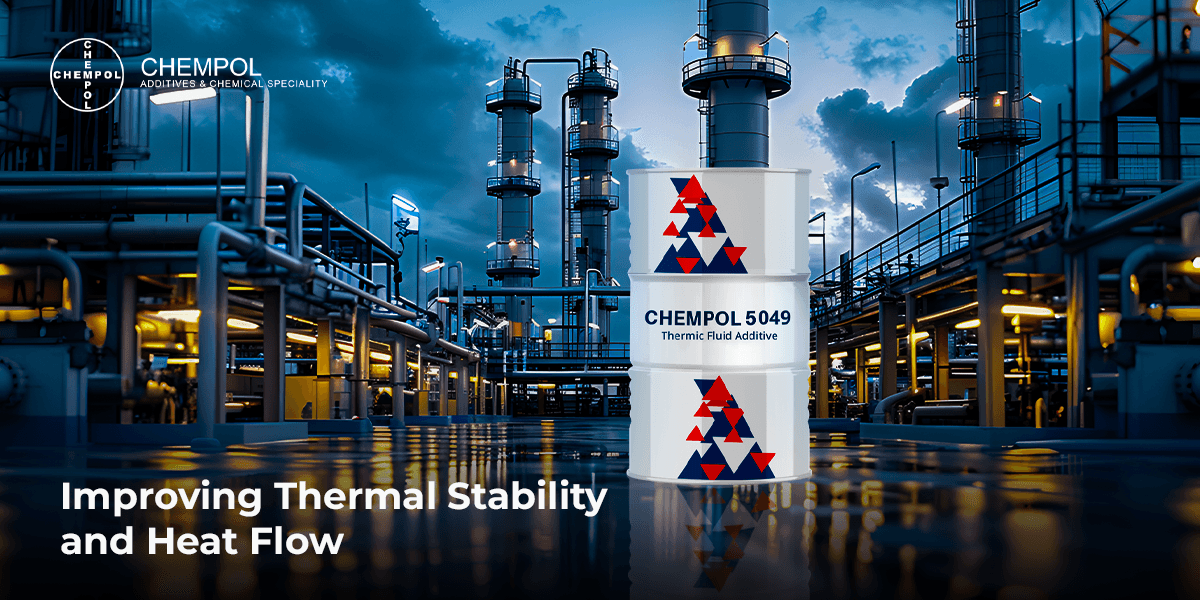
Stable oil delivers uniform heat across the system. When oil breaks down, heat transfer becomes uneven and unpredictable. A quality heat transfer oil performance additive strengthens the oil’s molecular structure, allowing it to withstand continuous high temperatures. This improves heat flow, reduces energy loss, and keeps equipment operating within safe limits. CHEMPOL 5049 is a major example of such high-quality heat transfer oil additives. It operates in a temperature range from -20 to + 340 °C in a closed heat transfer system.
Reducing Equipment Wear and Corrosion
Heat, oxygen, and impurities degrade metal surfaces inside heat transfer systems. Corrosion and wear increase friction and cause the metal to lose its strength. An industrial heat transfer oil additive with strong performance builds layers on surfaces and takes care of acids. The protection that results from the treatment is the main reason for extending the life of pumps, valves, pipes, and heat exchangers, while the risk of leaks and breakdowns decreases as well.
Maintaining Viscosity Under Extreme Conditions
Oil must stay liquid at both the starting point and the full operating temperature. When a change in viscosity is too drastic, circulation becomes slow, and heat control gets worse. A good heat transfer oil additive keeps viscosity stable over a broad temperature range. Thus, pumping remains smooth, heat flow is reliable, and system performance is steady even during long production hours.
Supporting Energy Efficiency and Cost Control
Efficient heat transfer is one way to avoid energy waste. Using clean, stable oil allows the heaters to reach target temperatures faster and maintain them with less power. This results in fuel saving and a decrease in operating costs. Together with oil life extension, the heat transfer oil additive of high quality is reducing the plant downtime and replacement expenses and thus, contributing to the increase of the plant's profitability.
Applications Across Industrial Sectors
Advanced heat transfer oil additive solutions are common across many industries, including chemical processing, plastics manufacturing, food production, textiles, pharmaceuticals, asphalt plants, and power generation. Any process that depends on stable, high-temperature heat flow benefits from these additives. Consistent heat transfer is key to maintaining stable production, protecting equipment, and ensuring product quality.
Selecting the Right Heat Transfer Oil Additive Supplier
The decision of a trusted heat transfer oil additive supplier is very important to the system's long-term performance. A reliable supplier offers effective formulations, technical support, and performance data. This verifies that the additives comply with the system requirements and meet industry standards. Having a strong relationship with the supplier helps the plants avoid taking wrong steps that might cost them a lot, and at the same time, they can continue operating safely.
Monitoring and Maintenance for Long Oil Life
An excellent system, however, still needs monitoring. Through regular oil analysis, one can identify oxidation, contamination, and changes in viscosity. By adjusting additive levels over time, oil can be kept in good condition and unexpected failures avoided. Advanced technology, when used in combination with scheduled maintenance, is the solution for the longevity of heat transfer systems.
Environmental and Safety Benefits
Stable heat transfer oils (HTO) reduce the risk of overheating, fires, and leaks. Additionally, cleaner oil results in lower emissions and less waste. Together, these changes contribute to safer workplaces and improved environmental compliance. In addition, modern HTO additive solutions play a significant role in achieving sustainability goals while maintaining high performance.
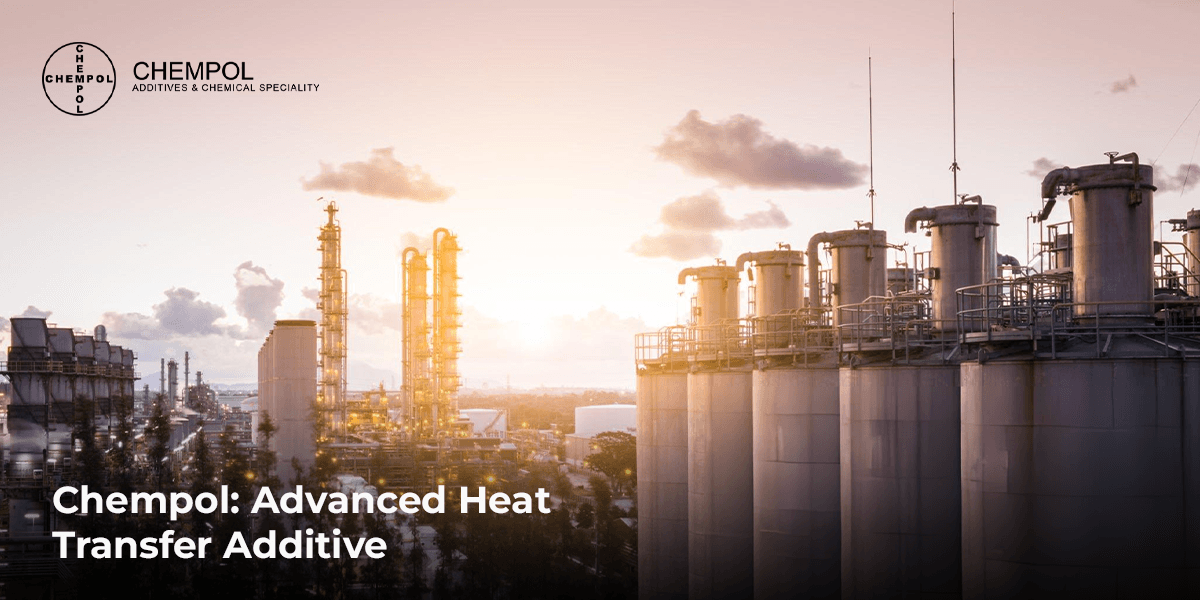
Chempol: Advanced Heat Transfer Additive
Chempol is a major manufacturer and supplier of heat transfer oil additives, providing the most efficient HTO additive solutions for challenging industrial applications. Chempol's advanced heat transfer oil additive offers the best oxidation control, thermal stability, corrosion protection, and long-term performance. Thus, industrial plants become safer and more efficient, and their equipment has a longer lifespan, even under extreme temperature conditions, with Chempol. Contact us to get top-quality HTO additives in the UAE.