[email protected]

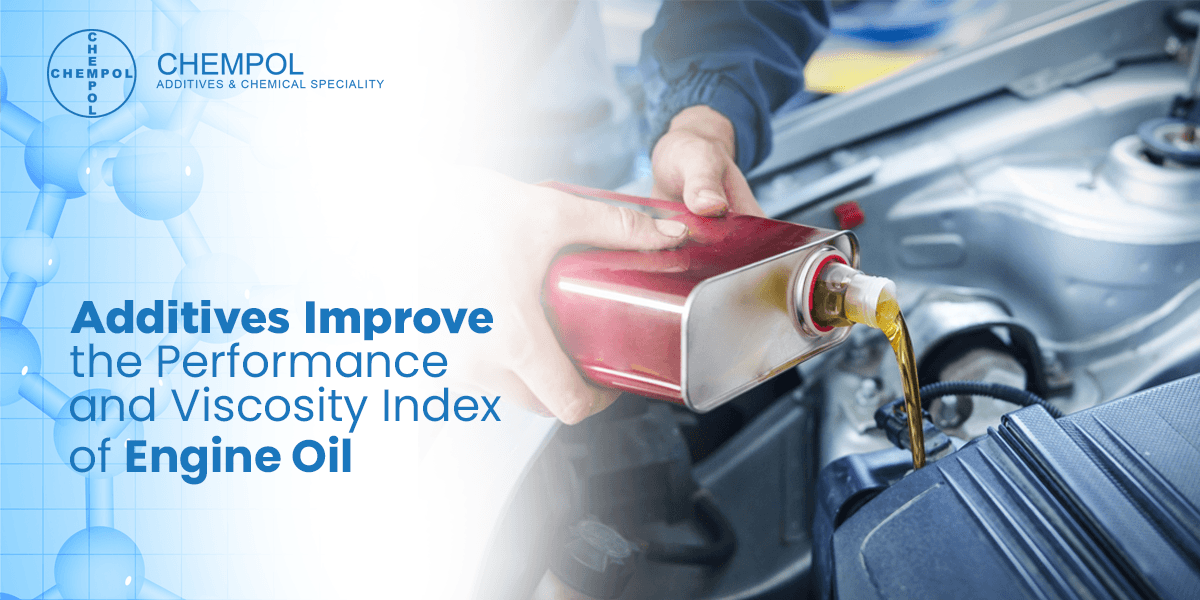
7 Ways Additives Improve the Performance and Viscosity Index of Engine Oil
Engine oils provide life to any vehicle in use. They lubricate parts but also protect the engine, manage heat, lessen friction, and combat wear. The viscosity index is the ability of the oil to flow. It depends on pressure and temperature. It is an essential component for the performance of an engine, as it plays an important role in lubricating it.
High-VI oils are excellent as they have the same flow irrespective of temperature changes. To achieve this, oil manufacturers use viscosity index improvers. These are the special additives that enhance oil stability and performance.
In this blog, we will explore seven ways that additives improve viscosity index engine oil and how that impacts performance.
What are the viscosity and viscosity index?
Before discussing how additives work, it is necessary to understand what viscosity and the viscosity index mean. Viscosity refers to resistance to the flow of oil. A low-viscosity oil flows very easily, while high-viscosity oil is thick. However, temperature changes can greatly have an impact on viscosity. When the oil is cold, it becomes thick, and when it heats up, it thins out. It means that a stable viscosity index means that oil has a stable thickness over a broad temperature range.

There are additives called viscosity index improvers (VIIs). Oils do not become too thin when they get heated up to certain temperatures or become too rigid when they get cold without VIIs. Special chemicals inside the VIIs expand when heated up very hot and shrink when it gets too cold. Their function is to maintain the oil thickness stability while the performance prevails. Hence, these oils allow excellent performance at both high and low temperatures.
Cold Start Improvement
Well-performing engine oils at low temperatures are important for the vehicle's longevity. In winter, oil thickens due to low temperatures, delays in lubrication, and affects the ignition process. Additives prevent the oil from becoming too thick, allowing it to flow quickly when you start the engine on a cold day. This ensures that all engine parts get immediate lubrication, reducing wear during start-up. Additives like pour-point depressan enable maintaining ideal consistency even at low temperatures. With additives in the oil, your engine gets complete protection during the cold. This reduces wear and tear to a large extent and stretches its lifetime.
Better fuel efficiency
Additives in motor oils also lead to increasing fuel efficiency. This means that there is a loss in lubrication due to excessive heat in the thinning of oil. This creates friction, and it means that the engine has to work harder and consume more fuel. VI improvers maintain the thickness of oil despite temperature changes. This helps the engine operate with fewer resistances. With less friction, the engine requires less fuel to do its job. A stable viscosity index ensures that the engine runs without any stress. It ensures better fuel efficiency, which in turn plays an important role in enhanced fuel economy.
Uniform Lubrication at All Temperatures
A balanced viscosity index guarantees uniform lubrication in all driving conditions. Oil becomes quite thick at low temperatures. It fails to reach the sensitive parts of the engine. When it gets too thin under the heat, it cannot provide enough lubrication to reduce friction. Additives in oil stabilise it and prevent any significant variation in both cold and hot temperatures. They ensure that the viscosity of oil remains balanced. Consistency in viscosity means enhanced lubrication performance. This ensures the reduction of friction within the engine component. Thus, uniform lubrication thanks to the additives is a key part of seamless engine performance.
Reducing oxidation and sludge formation
High temperatures cause engine oil to oxidize; this creates sludge, deposits, and varnish on the engine parts. These byproducts clog the engine and lower the efficiency of the engine. Some additives counteract the oxidation by forming a chemical barrier that slows down the oxidation process. Additives make the oil stable at very high temperatures and ensure it does not break down easily. This reduced the chances of sludge formation. This also boosts the oxidation resistance, which keeps the engine clean for a long time.
Improved High-Temperature Performance
Driving in hot climates or in conditions where the engine reaches extreme temperatures can be stressful on the oil. Heat thins out the oil and, thus, takes away the protective qualities it provides. VI improvers are specifically made to counter this thinning effect. These additives change form when heated and make sure the oil does not lose its thickness. So, the addition of these additives makes the engine less prone to malfunctioning at high temperatures. Even when the temperature rise is significant, these additives make sure the engine does not falter. This is the reason why these additives are very useful in high-performing engines.
Increased Resistance to Wear and Tear
All parts of the engine are in a state of continuous motion so they can generate energy. Every part needs enough lubrication to avoid metal-to-metal contact. This friction, if it is not managed, results in the wearing and finally breaking of parts. VI improvers decrease wear by creating a steady oil film around all the moving parts in the engine. The additives keep the oil from becoming too thin or too thick. It maintains a consistent, uninterrupted film between the moving parts. A stabilised oil made with high-quality oil by using VI improvers minimises wear and tear of the engine components. That would increase their lifetime with a reduced number of repair orders.
Longer Shear Stability for Longer Oil Life
The biggest challenge facing lubricants is shear stability. Shear is the result of extreme stress on the molecules of oil. This increased stress often causes these molecules to break and destroy their composition. It affects the viscosity the same way high temperature does. It thins out the oils and reduces the lubricity of oils. VI improver prevents that by reducing the stress and protecting the oil molecules. This ensures that when there is high stress, the oil does not break down. This increases the strength of the oil and directly affects the engine performance. Thanks to these additives, you get oil that lasts longer and prevents you from spending big bucks on oil changes.
How do additives improve the viscosity index?
VI improvers are often polymer-based additives that expand and contract with temperature changes. When the oil is cold, these polymers contract and allow the oil to flow without resistance. With an increase in oil temperature, they absorb the energy and swell up. This allows the molecules of oil to remain stable and prevents them from thinning out. The polymer used in each type of additive is different and has different thermal properties. This allows the additives to meet the demands of the engine at varying temperatures. They ensure that the viscosity remains unaffected no matter what.
The more advanced additives could include extra-special compounds. These special compounds complement the inherent resistance of oil to different chemical reactions. It might be possible to add special compounds that may improve the viscosity index of lubricating oil. This advancement can add to the oil's abilities, such as anti-wear, oxidation stability, and fuel economy. Additives are more than being viscosity improvers alone in making an oil work the best in engines.
Additives in Engine Oil Formulations
Modern engine oils are mixes of base oils and selectively selected additives. Such additives are not only viscosity improvers but also contain other important additives.
Combined, these ingredients form an oil that meets the exacting requirements of an engine. More powerful and efficient engines will need more resistance in oils. They can help the engine sustain higher temperatures and pressures. Additives play critical roles in meeting such demand by providing stability, durability, and protection. They transform oil from a simple lubricant with limited abilities into something that provides high protection.
Selecting Right for the Viscosity Index of Engine Oil
The best engine oils contain products whose labels show their high viscosity index, otherwise known as VI improvers. In some cases, such are even advertised on a manufacturer's label. Most of the time, these additives come with technical specifications. You can also switch to synthetic oils altogether. The viscosity index for synthetic oils is generally higher due to advanced formulation. They often contain superior additives that boost their performance. Reading the product specification can help you in selecting the type of additive you are looking for.
If you lack the technical knowledge or do not want to deal with the hassle of selecting the oil or additives, you can contact the professionals. Chempol is a trusted and reliable name that has been offering excellent services in the UAE. They have a vast catalogue of additives that will help you select the best ones according to your needs. Make sure to check them out for a hassle-free result!