[email protected]

5 Challenges with Industrial Oil Additives and How to Overcome Them
Industrial oil additives are what help ensure machinery and equipment keep running in most industries. They are essential components in both manufacturing and construction. These additives heighten the performance of oils and protect against wear and rust. Furthermore, they also improve efficiency. The use of additives, however, in industrial oils is not without hitches. Companies need to understand how to deal with these issues to gain the best from additives. In this blog, we'll go over five common problems with additives and practical solutions on how you can overcome each problem.
1. Compatibility Problems
Among the biggest concerns of the usage of these additives is compatibility. These issues are common in both the oils and the machines in operation. Not all industrial machines are suitable for use with all kinds of oil. Some even react with specific materials these machines are made of. Certain additives may cause the unwanted thickening or separation of oils. Some can also lead to unexpected chemical reactions. These issues can result in improper lubrication and machine wear. It can result in causing critical damage to important components. Due to these issues, a company may have to incur expensive repairs, unexpected downtime, or even total failure of equipment.
One must choose to work with a trusted supplier who would well understand the type of equipment and the needs of its oil. Many suppliers also provide compatibility testing services. This enables the companies to test an additive with their oil in a controlled environment before large-scale usage. Such tests will ensure that the additive performs its task without affecting the machinery in any way. Companies themselves can also conduct small-scale tests. These will help them observe the performance of new additives under normal operating conditions. Performing the testing on a small sample of machinery allows better compatibility.
It is also rather smart to read the manufacturer's guidelines about both the oil and machinery. These guidelines often offer recommended additives that have compatibility tested within them. Paying attention to such minute details and seeking advice from experts will help companies avoid these issues. Doing this will ensure the benefits of matching the right additives with oils.
2. Environmental Concerns
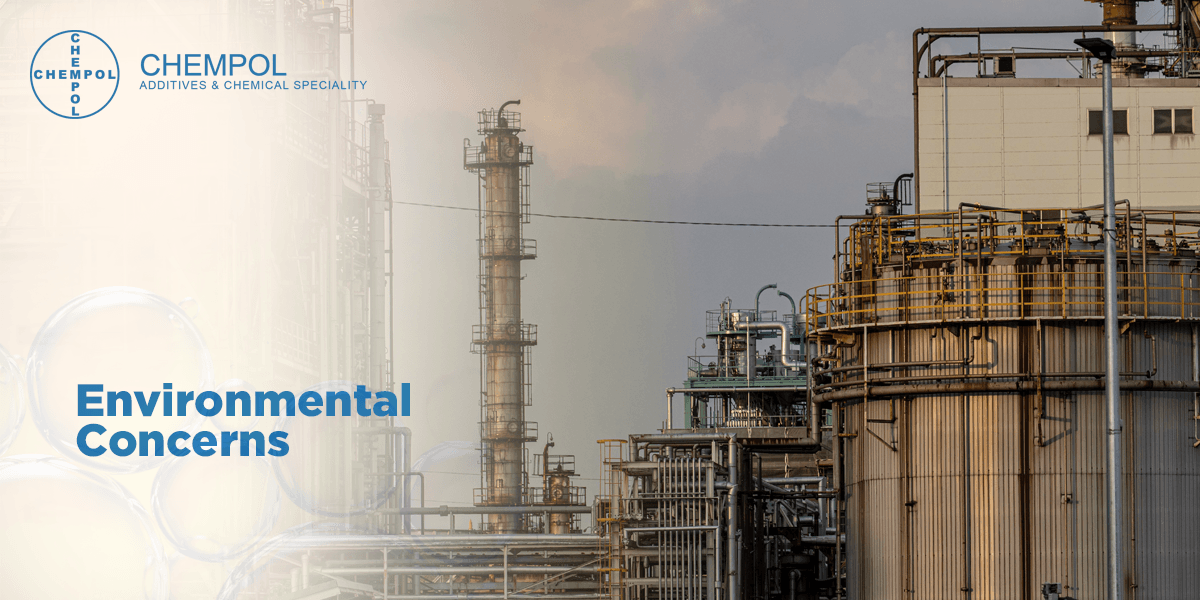
Sustainability has become a forefront issue with industrial practices. Greater concern has been given to the environmental effects of additives in industrial oil. Some conventional additives contain chemical components that are harmful to the environment. They contaminate water and soil, destroying the local ecosystem. For example, some additives that are non-biodegradable end up destroying the food chain. This can be detrimental to the environment. It can continue to have impacts that last for long periods. The increase in environmental regulations forces companies to choose greener, eco-friendly alternatives. However, locating effective additives that are safe for the environment is often challenging.
One alternative here is to use biodegradable or low-toxicity additives. Most manufacturers currently have environmentally friendly additives. This means they degrade without causing environmental damage. Also, these additives have many labels displaying the passing of standards about the environment. These labels make it easier for companies to identify activities that do not have harmful environmental impacts. It helps protect the environment and boosts the company's image as a responsible business.
Companies can further take added measures to reduce the footprint on the environment from these additives. For example, the correct disposal of the used additives can be beneficial for the climate. It means that instead of releasing them into the environment, the companies can find waste management services. They know the correct way to deal with industrial chemicals. In this way, companies can select friendly additives for the environment. They can also ensure proper waste disposal strategies. This will limit the impact of these additives on the environment. It also assures the industries meet regulations and requirements set for the safety of the environment.
3. Increased Costs
These are often dearer than the ordinary ones. Some additives that perform specific functions are often expensive. These additives are useful for extreme temperature resistance or anti-corrosion usage. The long-term use of these additives can have adverse effects on the budget of the industries. Industries can't even stop using them because of their importance. Large-scale productions yield better results with these additives. These budget issues may cause a company to cut corners in some other areas, which can become disastrous to the operation.
Industries can manage these costs by focusing on the optimisation of the use of these additives. Proper management reduces the overuse of additives. This not only improves performance but also reduces waste. Sticking to the recommended amount saves money spent toward achieving results. Some companies find it effective to buy additives in bulk since most suppliers give a discount for bulk purchases. This is also essential for reducing the costs.
Another way of reducing the cost is through forming strategic partnerships with suppliers. A long-term relationship will more often than not result in even better prices. It will also get you discounts, particularly if you purchase sizable additives over some time. Other options may involve buying multi-functional additives offering several benefits within one product. Certain additives, for example, have both anti-wear and anti-corrosion features. This allows industries to save money since they can buy one additive instead of two or three speciality products. By making sure how these additives are produced and distributed, the industries can keep costs in check.
4. Storage and Handling Issues
Proper storage and handling of oil additives are essential to ensuring quality and effectiveness. Many of the additives are vulnerable to air, moisture, and temperature. Thus, poor conditions of storage can lower their quality or render them ineffective. Some additives may even become hazardous when stored in improper conditions. This poses risks to workers and the facility. Mishaps in handling the substances involved could lead to accidents and spoilt additives. This can add to the unforeseen costs, which might affect the budget of industries.
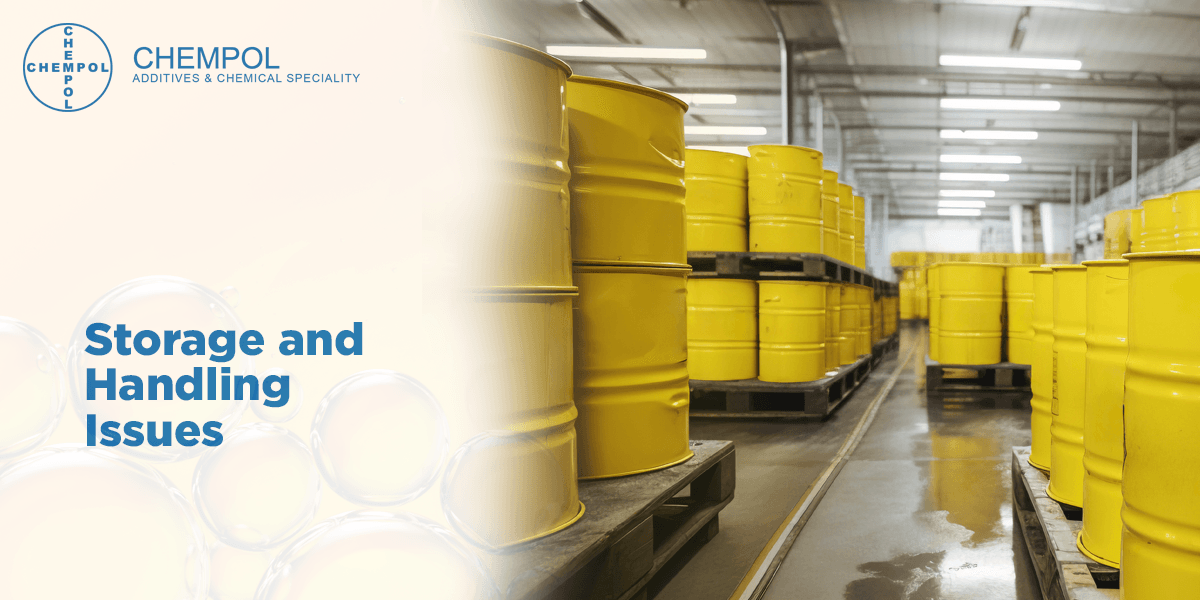
Industries should invest in appropriate storage solutions for oil additives. They must store the additives in cool, dry areas away from direct sunlight, which degrades some chemicals. Most successful industries use sealed containers designed for the storage of chemicals. This further prevents contamination from taking place and keeps the additives fresh. Dedicated storage rooms with temperature control should be used for bulk storage. This can make a big difference in maintaining additive quality.
Another important issue is the safe handling of additives. Employees working with these chemicals have to be properly trained. Staff must know the careful handling of additives, how to act in cases of spill, and how to prevent accidents with the use of PPP means. Through regular training, the workers will learn about the innovations in the field of safety. They will be able to ensure an environment of safety in the industry. By using safe storage and handling practices, companies will avoid the risks related to additive handling. This is not just better costs but can also protect their employees and equipment.
5. Proper Selection of Additives by Application
There is no one industrial oil additive that can be used for every type of machinery in every operating condition. Different types of machinery and operational environments require the use of different additives. The choice of additives also depends on their purpose. For example, machines that operate at high temperatures need heat-resistant additives. Similarly, in machines where oxidation is the issue, anti-corrosive additives are useful. Improper applications result in malfunctioning performances. This can also lead to increased abrasion and possible hazards.
Overcoming this is a challenge, and proper research is important before the selection of an additive. One way to resolve this is by collaboration between the industries and the suppliers. This way, suppliers will be able to recommend products for various needs. Many of the suppliers also offer guides that list the types of additives suitable for different applications. Moreover, companies must also consult equipment manufacturer recommendations. These guides can specify which additive works best with their machines.
Trial and error can also be a good way to work out effective additives. Testing by small-scale use can help the companies in applied conditions. For example, some companies do short-term testing in one part of their operation to see how the additive changes performance. It is important to avoid using ineffective or deleterious additives. Doing this can ensure that you reduce the risk of damaging the industrial equipment.