[email protected]

What Are Grease Additives and How Do They Differ from Other Additives?
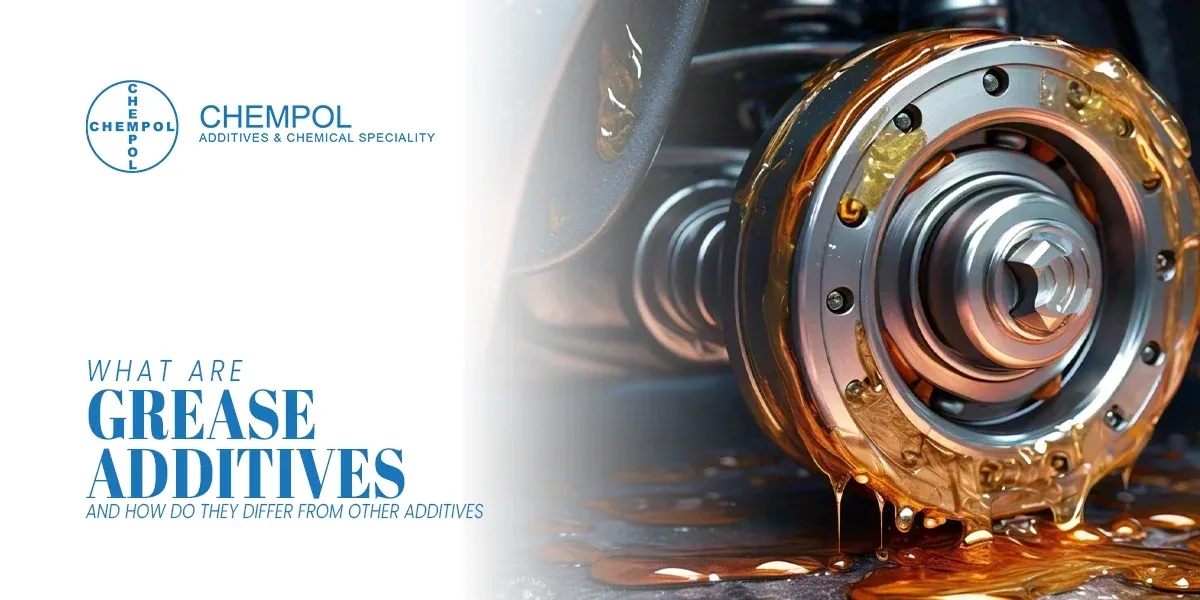
Grease plays an important role as a lubricant because of its high viscosity. Various factors, such as temperature and pressure, can have an impact on the performance of grease. These factors reduce the coefficient of viscosity of the grease molecules. This results in thinning it out and reducing its lubricating tendencies. However, just like fuel additives, grease additives are also available to prevent that. These additives enhance the performance of grease in more than one way.
In this blog, we will learn what these additives are how they work, along with their importance.
Understanding the Basics
Let us first understand what grease is before we explain what the additives are:
What is Grease?
Grease is a semi-solid lubricant; it consists of base oil, thickener, and additives. The base oil is usually a mineral or synthetic oil, and the thickener is what gives grease its thickness. The thickener, often produced from soap or similar materials, is what allows grease to be in place. This makes it resistant to leakage, which is why it is useful for various applications. It is specifically used where the lubricant needs to be stationary for a long time.
Grease is used in:
- Bearings
- Gears
- Hinges
Exposed to dust and dirt machines
It can stay in place for a long period, always protecting the machinery. It also provides the machines with effective lubrication and stops contaminants.
The Role of Grease Additives
Just like oil additives, grease lubricant additives boost performance and reduce wear. They are essential for seamless machine operation.
Besides, both grease and oil use additives for performance enhancement. Grease additives refer to chemical compounds that boost the properties of grease. Their benefits are
- Increase in resistance to wear
- Friction reduction
- Inhibition of corrosion.
Differences Between Oil and Grease Additives
The additives of oils and grease are different. This is because they perform different functions based on different needs.
The major difference between grease and oil additives is the composition of the lubricants. Grease is semi-solid; it contains a thickener in the mix that determines the consistency of the lubricant. This impacts the dispersion of additives and their performance within the grease molecules.
Oil is a liquid, so its texture is different and enables additives to mix up more uniformly. This distributes the additives freely through the system. Since the particles of oil are in a state of continuous motion, additives move with them. The grease, on the other hand, has a high viscosity, which doesn’t allow the additives to move freely.
Application-Specific Additives
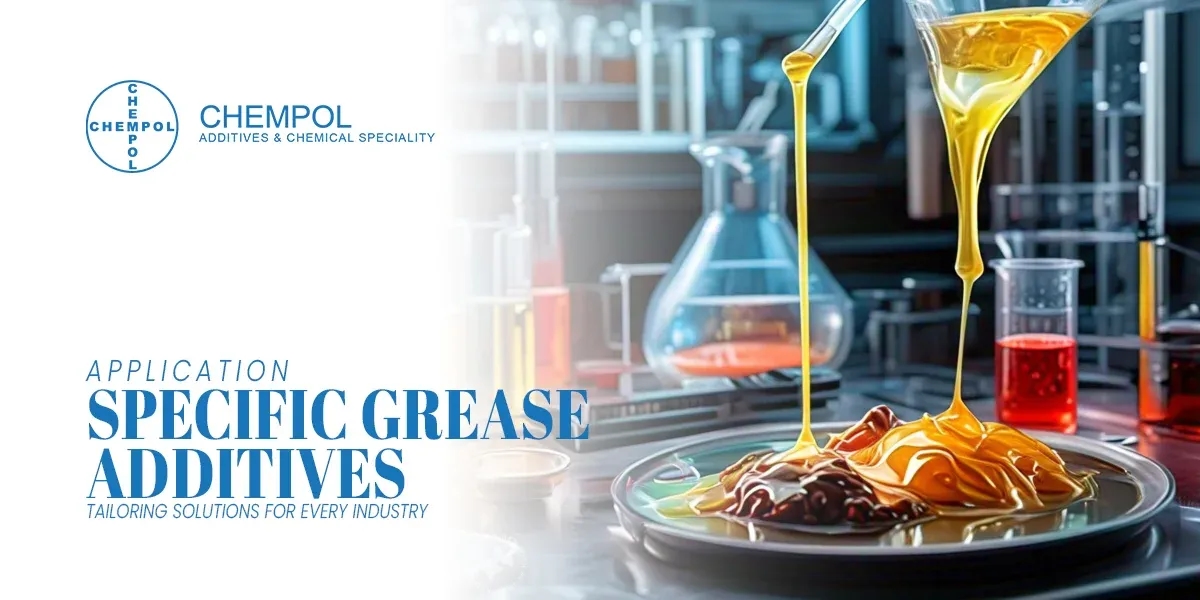
There are different types of grease additives used for a particular purpose. Some of them are given as:
1. Anti-Wear Additives
Anti-wear additives in grease serve the same purpose as they do in oil. However, since grease is stagnant, these additives have to do their job without any movement. The replacement of grease in gears and oils is not frequent. It lasts a long time because of the properties of grease.
2. Extreme Pressure (EP) Additives
EP additives in grease need to operate in extreme conditions with little or no displacement. For example, they are used in industrial bearings in extreme conditions. The additives play a major role as a lubricant and help prevent catastrophic failure. They do this by providing an excellent pressure protective barrier.
3. Corrosion and Rust Inhibitors
Rust inhibitors in grease prevent rust formation. Since the components of the machines on which grease is used need to be protected for months, prevention against corrosion is necessary. These additives provide that protection by preventing rust and corrosion.
5. Viscosity Modifiers
In grease, the thickener is often itself a viscosity modifier. This is why there is not much need for secondary viscosity-improving additives. Some high-temperature greases incorporate additives to enhance their ability to better resist temperature.
Performance Differences in Special Conditions
Additives for grease also vary with the peculiar operating conditions of the equipment.
1. High-Speed vs. Low-Speed Applications
Grease is used for low-speed operation involving bearings or gears. It is not intended to be displaced and stays in place for long durations to protect the gears. Grease lubricant additives are created for protection that deals with extreme conditions. These additives are also used in conditions where the lubricant replacement might not be done often.
2. Resistance to Contamination
Due to its thicker consistency, grease is extremely resistant to contamination. The primary focus of grease additives is protection against rust and corrosion. This is helpful in environments exposed to contaminants. These environments often have more contaminants.
Both grease and oil additives perform a similar function, lubricating the mechanical components. But there is a key difference in each of their characteristics. Grease additives are useful in those mechanical components where there is limited room for movement. They provide excellent protection in extreme conditions for a long period. They do not require frequent replacements. Oils, on the other hand, need to be replaced frequently. These differences help people identify which lubricant they need for better performance. This allows machinery and equipment to operate at their best and last for a long time.
Chempol: A Premier Additives Manufacturer
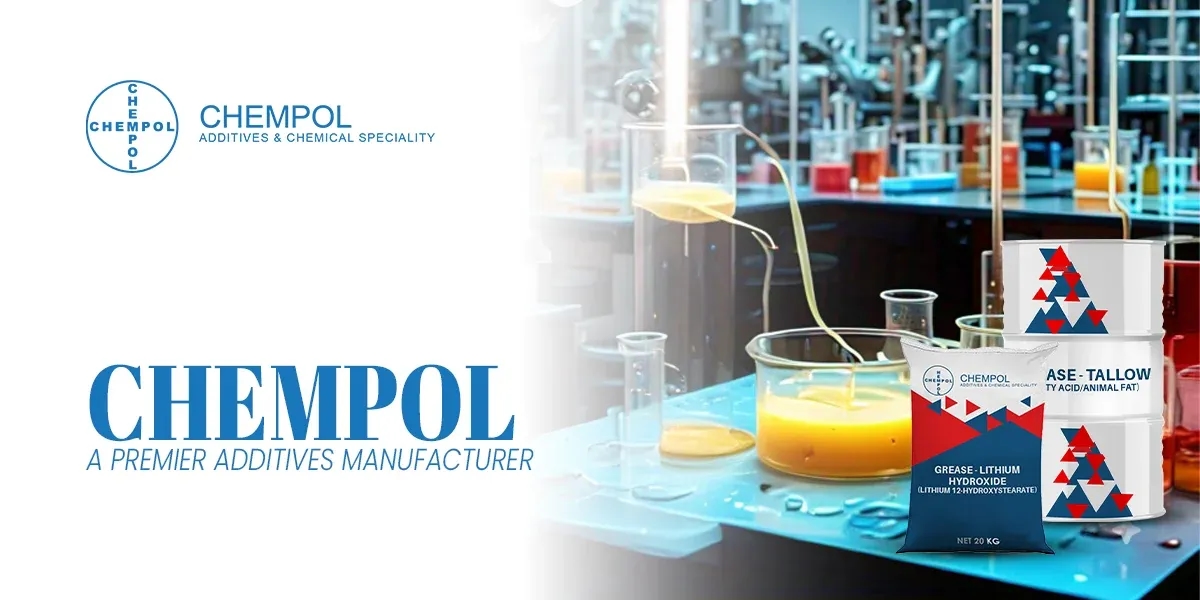
People often search for the best grease for metal gears and struggle to find the solution. Chempol provides an excellent solution in this regard. Their grease additives offer excellent performance as well as protection. Their products include:
- Anti-wear additives for grease to prevent damage to the mechanical parts when grease is applied.
- Extreme pressure additives that let the grease perform its lubricating duties at high pressure. They prevent damage due to extreme conditions.
- Viscosity index boosters to ensure that the grease lubricants do not lose their properties.
All of these specialized additives are designed keeping in mind the unique demands of lubrication. This helps in extending the equipment’s life, reducing fatigue, and achieving high performance in tough conditions. Check out Chempol’s excellent additives for grease to get the best lubrication solutions!